Finna
Approx. English: FIN-uhverb
Finna means about to, getting ready to, or intending to do something.
- #internet slang
- #African American English
- #future intention
- #dialect
- #informal speech
Meaning
Finna is an informal African American English form used before a verb to mark a future action, often with a sense of preparation or intention. “I’m finna leave” can mean “I’m about to leave,” but the timing is not fixed; how soon the action is expected depends on context. Both “I’m finna” and “I finna” are documented in informal speech and online writing. Finna itself does not determine whether a sentence is neutral or aggressive: that interpretation comes from the surrounding wording and situation.[1][3][4]
- 1. Near-future intention or preparation: finna marks an action as coming soon, often with the sense that the speaker is preparing or intending to do it.
- 2. Informal register: it occurs in informal speech and online writing, while its exact tone depends on the surrounding words and situation.
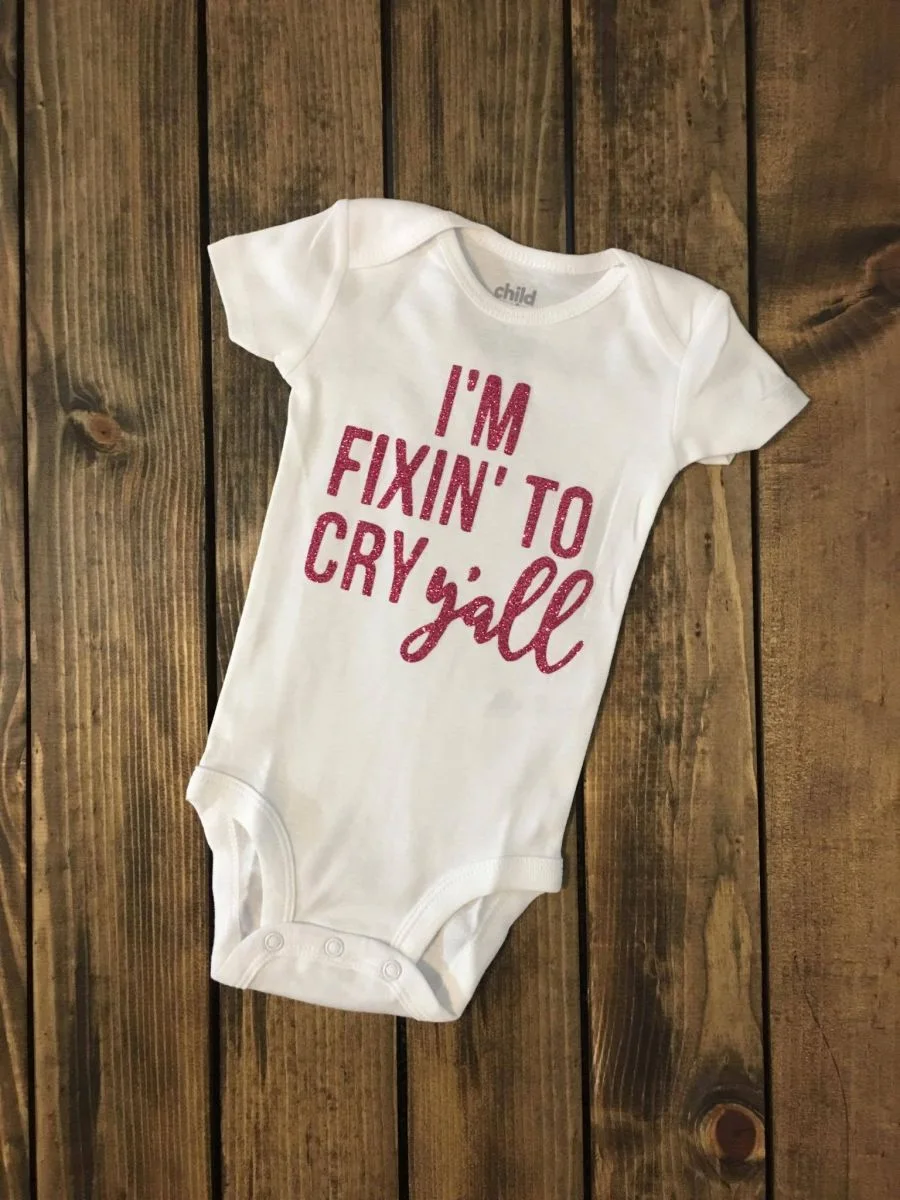
Examples
“I’m finna leave when this meeting ends.”
“We finna eat.”
“I finna call you after work.”
“She’s finna start the movie, so send the snacks now.”
“I’m not finna argue about a group chat rumor.”
Origin and spread
The supported account connects finna with fixing to, a Southern American English construction associated with the near future and preparation or planning. Dictionary.com describes finna as a phonetic spelling of an African American English variant of fixing to, while Yale identifies finna as a recognized phonological variant and says the form is a feature of African American English used outside the South as well. The relationship is not presented as completely settled: Yale says it remains unclear exactly how fixing to and finna are related, and warns that paraphrases such as going to, planning to, and about to may not preserve identical meaning. The form predates contemporary social media. Dictionary.com reports that it was first recorded in 1985–90, but supplies no underlying quotation, so that range is not a verified first occurrence. Urban Dictionary provides a dated online explanation from June 9, 2003. The evidence does not establish a creator, first social-media post, or particular platform as the cause of wider circulation. Later timeline material mentions song examples, but does not independently establish that a recording invented the word.[2][3][4]
How to use it
Use finna before a base verb in informal contexts: finna go, finna eat, or finna leave. It overlaps with gonna, but often points more strongly to a near or preparatory action; context determines how immediate it feels. Its presence does not by itself signal a threat, sexual meaning, joke, or performed dialect.
The surrounding words set the tone
In “I finna throw hands,” throw hands supplies the aggressive meaning; finna marks the future action. Urban Dictionary documents this wording, but it does not establish that finna itself is generally aggressive.[3]
An online record is not an origin date
Urban Dictionary’s June 9, 2003 entry shows that the word was being explained online by that date. Dictionary.com separately reports a 1985–90 recording range, not a verified first occurrence.[1][3]
Questions people ask
How does finna differ from gonna?
They overlap, but finna often points to a near-future or preparatory action, while gonna can refer more generally to a future event. Context affects how immediate finna sounds; the paraphrases do not always have identical meaning.[2][4]
Can someone say “I finna” without “am”?
Yes. Yale documents “I finna get off the bus” and notes that be may be optional, particularly with finna.[2]
Sources
- 1. Dictionary.com — FINNA Definition & MeaningSupports: earliest documented use, meaning.
- 2. Yale Grammatical Diversity Project — Fixin’ toSupports: form, origin.
- 3. Urban Dictionary — finnaSupports: meaning, origin.
- 4. Bustle — What Does “Finna” Mean?Supports: meaning, origin.