Hopecore
/HOHP-kor/noun · adjective
An online aesthetic and edit style that frames uplifting moments as hopeful, comforting, or emotionally encouraging.
- #internet slang
- #TikTok aesthetics
- #video edits
- #wholesome memes
- #core aesthetics
Meaning
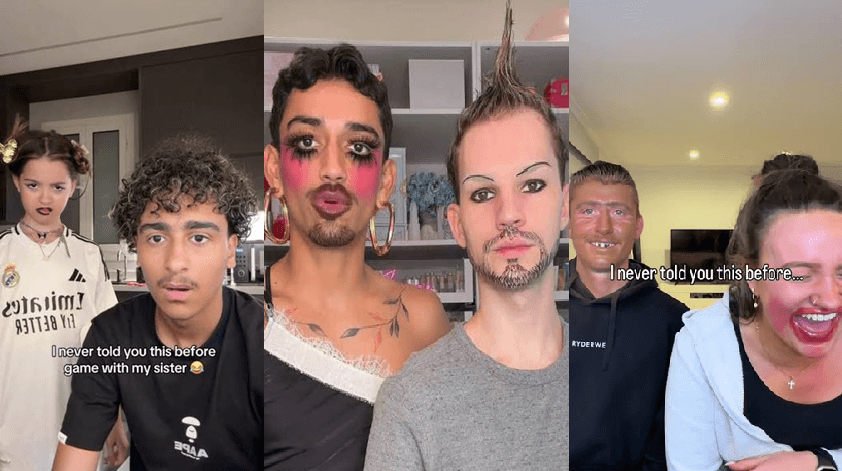
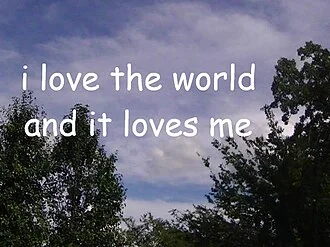
Hopecore is an internet aesthetic and video-edit format centered on emotionally uplifting material, such as kindness, connection, nature, personal achievements, children, animals, and encouraging quotations. Posts often splice short clips or slideshow images with nostalgic or inspirational music and may overlay phrases such as “life is beautiful.” The word can name the genre itself, as in “a hopecore edit,” or describe a clip’s mood, as in “this is so hopecore.” It is usually sincere and encouraging, but the same visual grammar can be used ironically when cheerful footage is paired with personal problems, absurdity, or deliberately inappropriate material.[1][2]
- 1. The sincere edit aesthetic: a montage or slideshow designed to inspire hope, appreciation, connection, or comfort.
- 2. A descriptive adjective for content with a warm, wholesome, nostalgic, or reassuring mood.
- 3. An ironic or parodic version that keeps the uplifting format while undercutting it with personal problems, absurdity, or inappropriate footage.
Examples
“That little kindness montage is pure hopecore.”
“I saved the hopecore edit for a rough day.”
“This slideshow is so hopecore: puppies, sunsets, and you’re doing fine.”
“The clip starts like hopecore, then the caption makes the optimism deliberately ridiculous.”
Origin and spread
Hopecore combines “hope” with “-core,” an internet suffix used for an aesthetic, mood, or recurring content format. The available evidence connects it to TikTok’s core ecosystem, especially as an optimistic offshoot of corecore, but does not establish a single inventor. Its documented format draws on montage and motivational-edit culture. Early documented examples emphasized sports, interviews, and inspirational dialogue; later prominent examples included animals and children. Common hopecore material also includes nature, kindness, achievements, and encouraging quotations. Know Your Meme calls the trend a late-2023-to-2024 development, yet it also documents a January 27, 2023 @waxyegg edit as one of the earliest known examples. That inconsistency means the development chronology is not settled: the January post is evidence of early documented use, not proof of invention. Hopecore can refer to hopeful social-media content as well as edited montages. The format spread from TikTok to Instagram, YouTube, Reddit, and X. Ironic uses emerged alongside sincere ones, while GQ documents criticism of simplistic reassurance, commercial exploitation, and unrelated promotional hashtagging.[1][3][5]
How to use it
Hopecore is usually affectionate, earnest, or gently self-aware rather than insulting. Use it for a hopeful framing or recognizable edit style—not just any positive statement. A hopecore post may be a clip montage, a photo-mode slideshow, or a scrapbook-like mix of quotations, screenshots, poetry, and images; there is no fixed formal rulebook. The term can be sincere, especially for content about connection, self-care, or everyday beauty. It can also be ironic when the same upbeat music, wholesome imagery, or encouraging language is paired with a personal problem, an absurd caption, or footage that undercuts the premise. Compared with conventional motivational content, hopecore is often presented as warmer, more comforting, and less focused on discipline or self-improvement.
Why people save it
The Independent reports that hopecore posts can receive unusually high numbers of saves because viewers return to them when feeling down, treating them like a stockpile of affirmations. That describes a documented use, not a universal reaction.[2]
Sincere and ironic versions coexist
A sincere edit may pair kindness, nature, or an encouraging quotation with nostalgic music. By 2024, the label was also used for cheerful imagery paired with captions about personal problems, and Know Your Meme documents parody that deliberately subverted the wholesome premise.[1][3]
No fixed formal recipe
There is no fixed formal rulebook or required subject, and formats include slideshows, screenshots, poetry, interviews and text messages. The Independent describes these as forms hopecore content can take, so the hopeful framing matters more than one mandatory template.[2]
Questions people ask
Is hopecore the same as corecore?
No. Corecore is the broader montage tradition, often associated with bleakness or disillusionment. Hopecore keeps the montage logic but shifts toward hope, connection, kindness, and reassurance.[1][5]
Is hopecore sexual or insulting?
Not inherently. The ordinary sense is hopeful and often wholesome. Some parody edits use deliberately inappropriate footage, but that is an ironic variation rather than the core meaning.[3]
Sources
- 1. Wikipedia — HopecoreSupports: meaning, origin.
- 2. The Independent — What is TikTok’s new ‘hopecore’ trend and is it exactly what we need right now?Supports: meaning.
- 3. Know Your Meme — HopecoreSupports: earliest documented use, origin.
- 4. Meme.com — Hopecore Meaning: TikTok’s Wholesome Video Edit TrendSupports: form.
- 5. GQ — Is Hopecore the Last Gasp of a Less-Toxic Internet?Supports: origin.