Rage Quit
/RAYJ kwit/verb · noun
To leave a game, conversation or activity abruptly because you are angry or frustrated.
- #gaming slang
- #livestreaming
- #online behavior
Meaning
To rage quit is to stop taking part abruptly because anger or frustration overwhelms the desire to continue. In gaming it often means leaving a match or closing a game in the middle of play. In other settings it can mean storming out of a call, group or task.
- 1. Leaving a game abruptly after a frustrating loss or repeated failure.
- 2. Abruptly abandoning a situation outside gaming in a visible burst of frustration.
Examples
“I almost rage quit when the game sent me back to the first checkpoint.”
“He threatened to rage quit the call over the font debate.”
“Don't rage quit yet. We can still win the next round.”
“I had to rage quit the puzzle and come back after dinner.”
Origin and spread
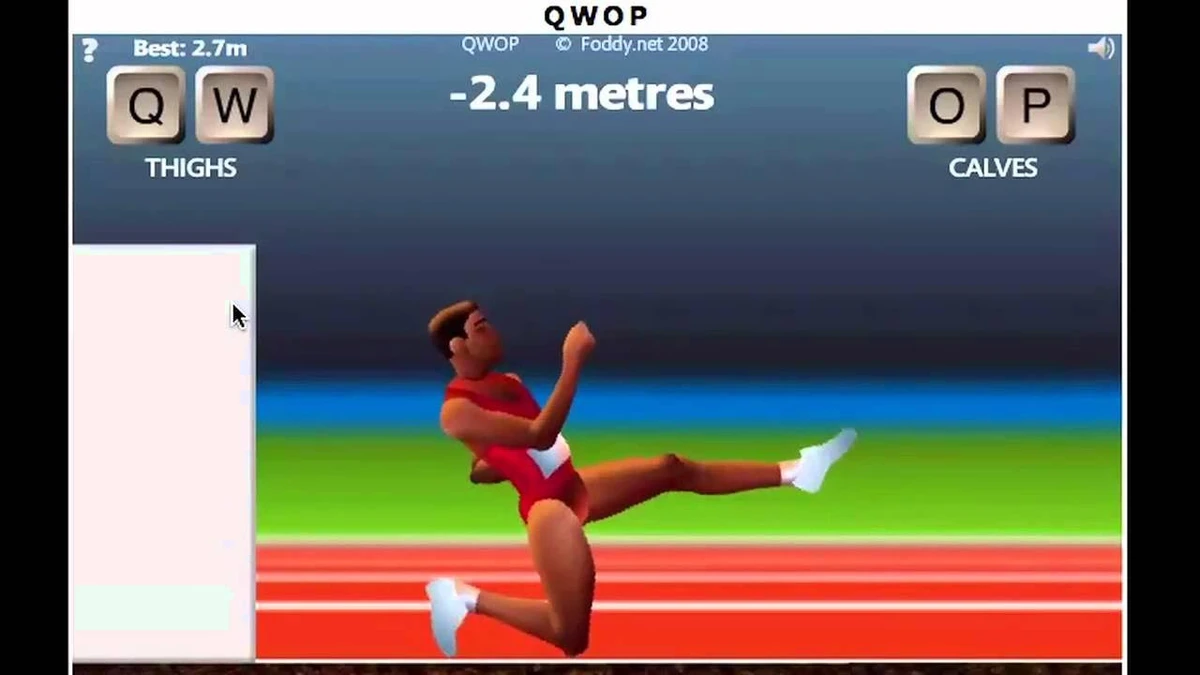
Rage quit was in gaming circulation by the early 2010s. Rooster Teeth used it in the title of a series, including its March 24, 2011 QWOP episode. The Boston Globe explained the phrase as established gaming language in 2013 while profiling the people behind those videos.
How to use it
It usually implies a cause as well as a sudden exit. A disconnection or an ordinary sign-off can look similar, so saying someone rage quit can be an inference.
Why the timing matters
Leaving while the match or challenge is still underway gives the frustration an obvious action to attach to.[1][3]
An exit can be literal or exaggerated
Outside games, a speaker can jokingly call a smaller moment of frustration a rage quit, even if they return later.[1]