TL;DR
/tee-el-dee-ar/abbreviation · noun · interjection
Meaning
An initialism used to introduce or request a condensed version of a long post, message, article, or discussion. When posted alone as a reply, TL;DR can instead mean that the writer found the material too long and chose not to read it.[2][4]
- 1. A label placed before or after a brief summary of longer material.
- 2. A request for the main point of a long message or discussion.
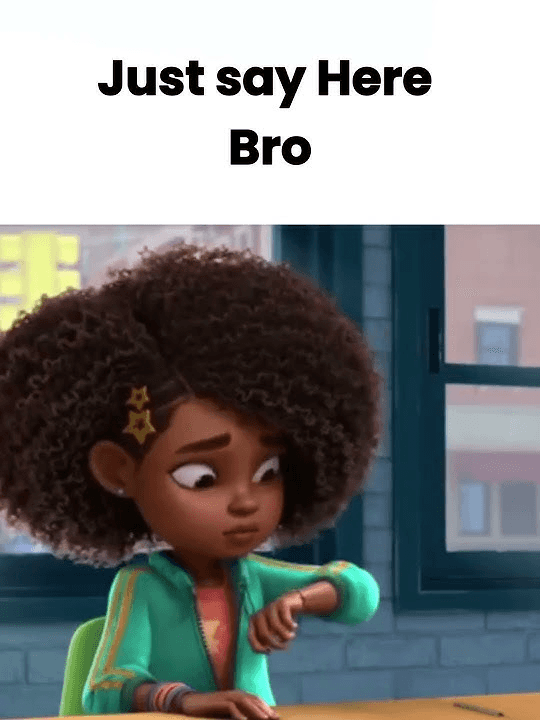
- 3. A dismissive response indicating that something was too long to read.
Examples
“TL;DR: the update fixes login bugs but resets your theme.”
“That thread is 80 screenshots long—TL;DR?”
“Drop a TL;DR in the group chat before everyone clocks out.”
“TL;DR. I’m not reading twelve paragraphs about pizza toppings.”
Origin and spread
TL;DR is an initialism of “too long; didn’t read.” Dated online records show it circulating in forum culture by November 2002. One preserved Usenet example from December 21, 2002, consists only of “tl;dr” beneath a lengthy discussion, illustrating its early dismissive use. The expression later developed a more helpful function: writers began attaching it to their own condensed summaries. It eventually spread beyond forums into social media, workplace messages, publishing, and technical writing.
How to use it
A TL;DR supplied by the original writer usually sounds practical and reader-friendly, especially in chats, forums, and informal work messages. As a standalone reply to someone else’s writing, it can sound curt, mocking, or deliberately disrespectful. In formal documents, “summary,” “abstract,” or “executive summary” is generally clearer.
Sources
- 1. American Dialect Society mailing list — Antedating of “tl;dr”Supports: earliest documented use.
- 2. Oxford Advanced Learner’s Dictionary — TL;DR abbreviationSupports: form, meaning.
- 3. Cambridge English Dictionary — Meaning of TLDR in EnglishSupports: form.
- 4. Digiday — Introducing TLDR, a new way to read DigidaySupports: meaning.