Doge is an image-macro language built around Shiba Inu photos, multicolored Comic Sans, and short internal thoughts such as “so scare,” “much noble,” “very wow,” and the final “wow.” The grammar intentionally pairs modifiers with the wrong kind of noun or adjective, making the dog sound amazed, sincere, and slightly alien.
The name predates the famous dog. In the Homestar Runner puppet short “Biz Cas Fri 1,” released June 24, 2005, Homestar spells dog as “D-O-G-E” while addressing Strong Bad. That is the earliest supported use connected to the later slang, so MemePulse uses it as First seen; it is not the date the familiar Kabosu image macro was created.
The face arrived in Japan. Kindergarten teacher Atsuko Sato had adopted Kabosu, a Shiba Inu discarded by a breeder, in 2008. On February 13, 2010, Sato posted a series of photos to her blog. In one, Kabosu sits on a sofa with crossed paws, raised eyebrows, and a sideways glance that can read as suspicion, amusement, or private commentary.
Other Shibas also contributed to early Doge imagery, including photographer Jonathan Fleming’s scarf-wearing dog Suki. The meme was a visual species before it settled on one celebrity dog: “shibes” appeared in costumes, altered photos, and Tumblr posts with fragmentary inner monologues.
By 2012, Tumblr communities were circulating doge and shibe posts, while the Shiba Confessions ecosystem helped establish the breed as a captioned character. In 2013, the now-standard combination—Kabosu’s expression, floating neon Comic Sans, and broken modifier phrases—became broadly recognizable across Tumblr, Reddit, and 4chan.
Spread
The summer of 2013 turned Doge from niche Tumblr vocabulary into a platform-spanning format. A large Doge thread was pinned on 4chan’s /s4s/ board in July, and an August raid flooded Reddit’s r/Murica with patriotic Shiba edits. The raid met more delight than resistance, a useful sign that the joke already worked outside its home communities.
Doge text had rules loose enough to imitate and strict enough to recognize. Writers stacked “so,” “such,” “much,” “many,” and “very” in deliberately ungrammatical pairs, then punctuated the cloud with “wow.” Because the language could describe anything, the same face moved into games, weather apps, ads, political posts, and countless character mashups.
In December 2013, software engineers Billy Markus and Jackson Palmer launched Dogecoin as a joke cryptocurrency using the Shiba image. The community soon gave the joke material consequences: it raised money for charitable causes and sponsored NASCAR driver Josh Wise in 2014, putting Doge on a race car and later into the NASCAR ’14 game.
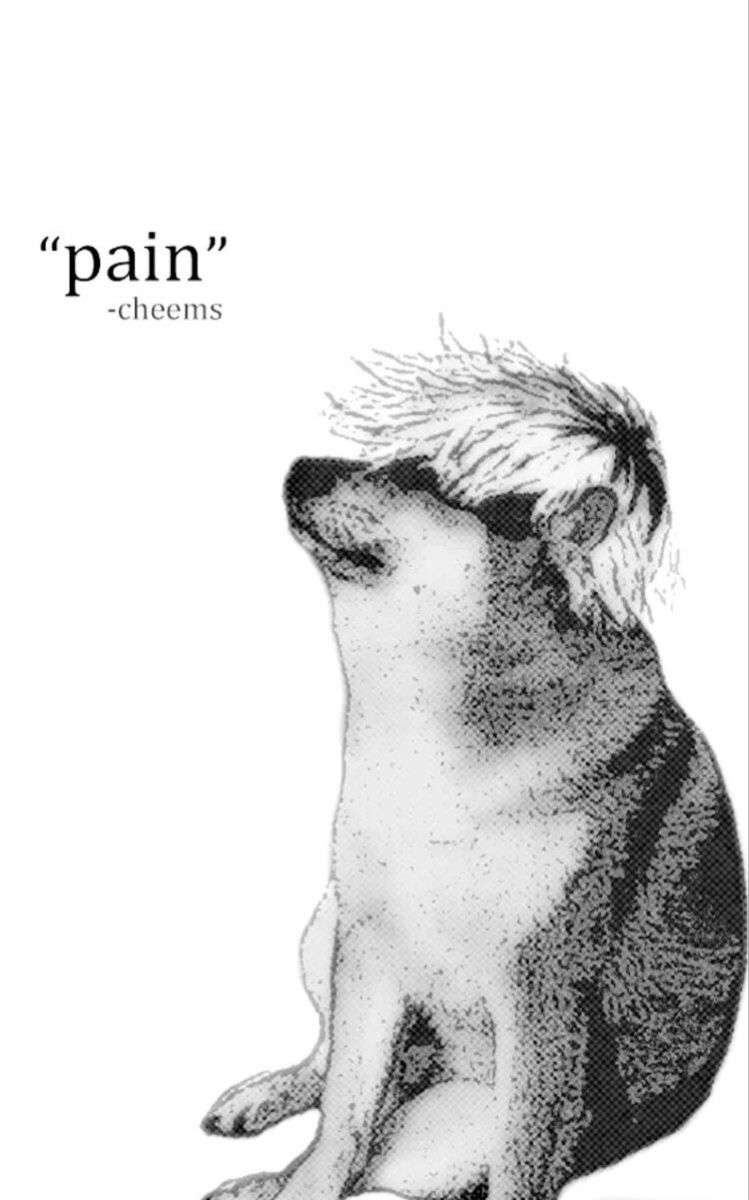
Overexposure weakened the original caption style, but Doge did not disappear. From 2017 onward, ironic Doge and Dogelore formats stretched, distorted, redrew, and multiplied the character. Cheems became a separate anxious Shiba persona; “Swole Doge vs. Cheems” later turned the two into a past-versus-present comparison.
Kabosu’s original photograph also became a valuable digital artifact. In June 2021, an authenticated NFT of the image sold for about $4 million. In 2022, Shiba avatars became the face of NAFO’s pro-Ukrainian online activism. In April 2023, Twitter temporarily replaced its bird logo with Doge, again demonstrating how one meme image could move markets and headlines.
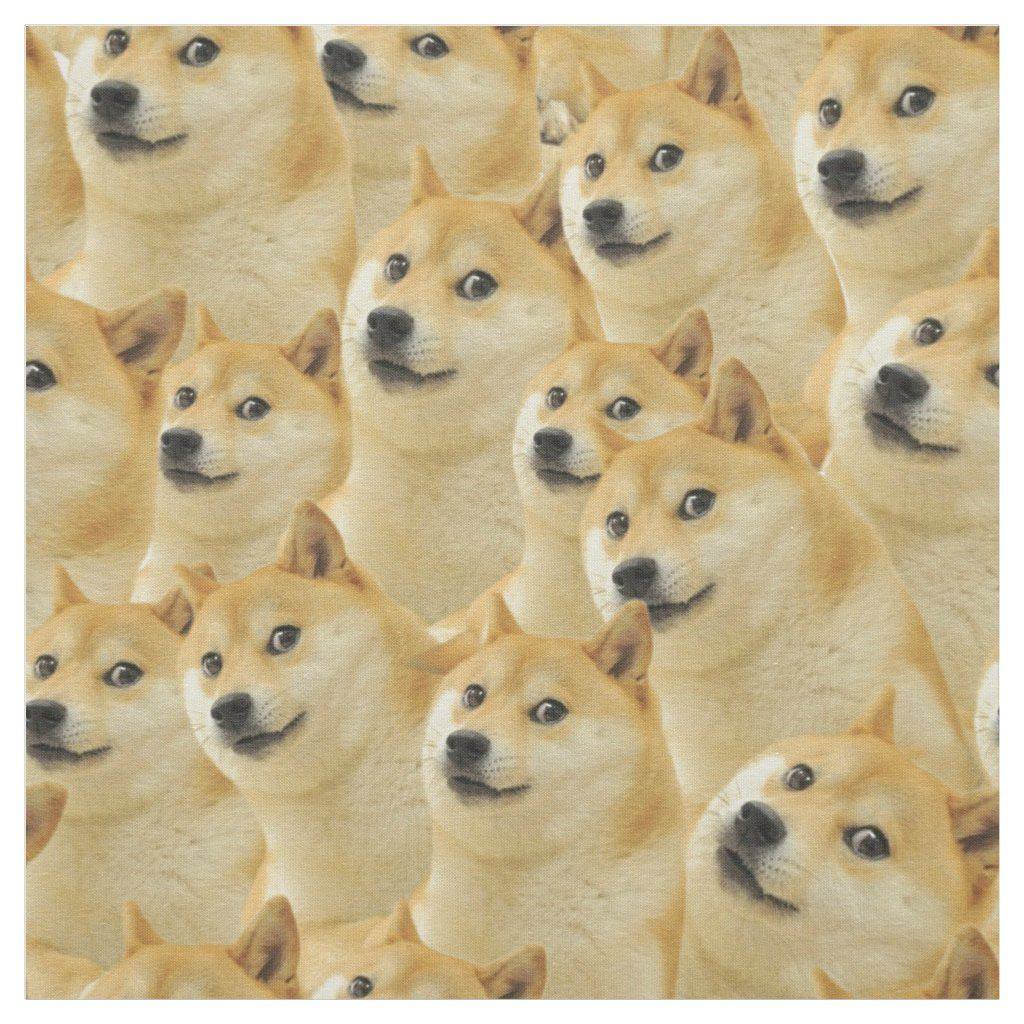
Even far-removed edits kept the same recognizable mixture of Shiba imagery and compressed inner-monologue grammar.
Kabosu died peacefully on May 24, 2024, at an estimated age of 18, according to Sato. By then a bronze monument in Sakura, Japan, honored her likeness. Tributes emphasized the rescue dog behind the commodity and symbol: a family photo had become a meme, a dialect, a cryptocurrency emblem, and one of the most recognizable animal faces online.
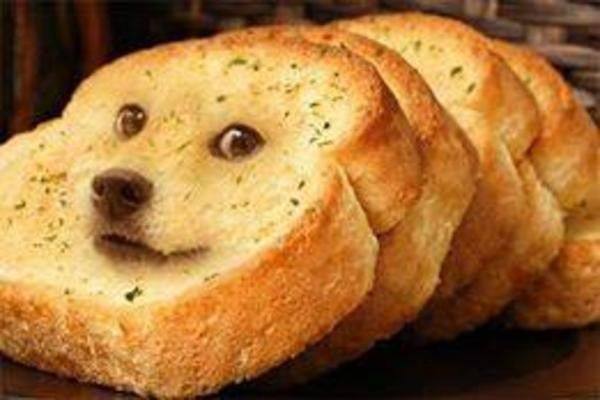
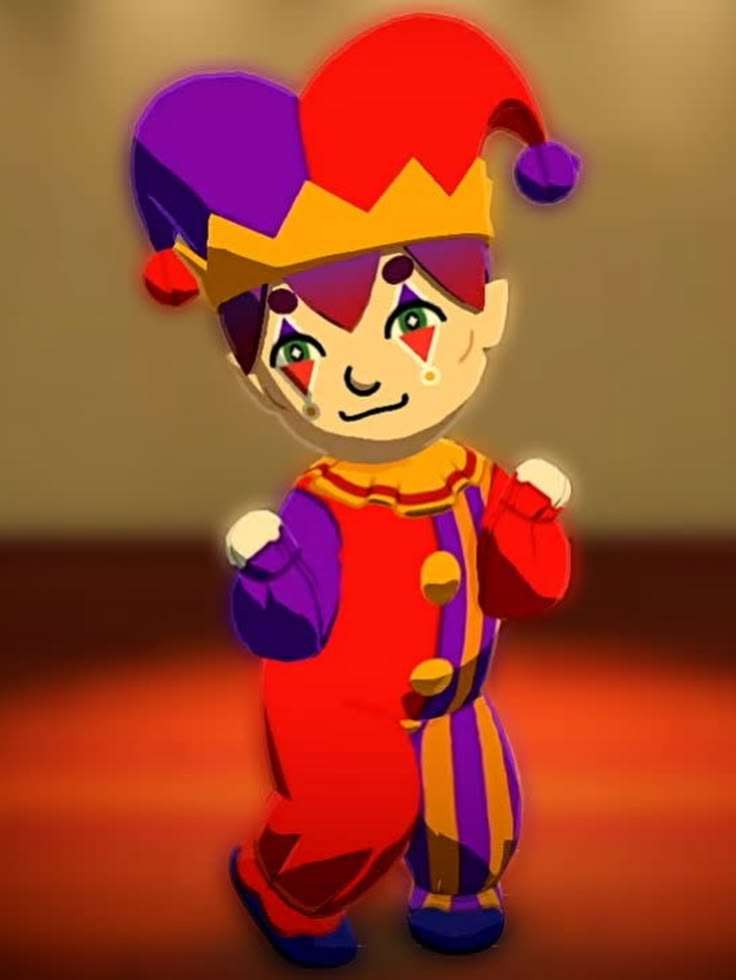
Later political uses of the DOGE acronym have added yet another layer, but they do not replace the meme’s core. Doge persists because the face and grammar remain separable: a creator can use Kabosu, another Shiba, a loaf of bread, or an entirely different character and still make the voice instantly sound like Doge.
Why It Works
Kabosu’s ambiguous sideways look can carry almost any internal monologue. The bright text is easy to imitate, while the deliberately wrong grammar is patterned enough to feel like a shared voice rather than random mistakes.
When It's Used
Use classic Doge for exaggerated wonder, wholesome excitement, or ironic internal commentary. Later variants support surreal edits and generational comparisons; the words usually remain short, scattered, and intentionally ungrammatical.
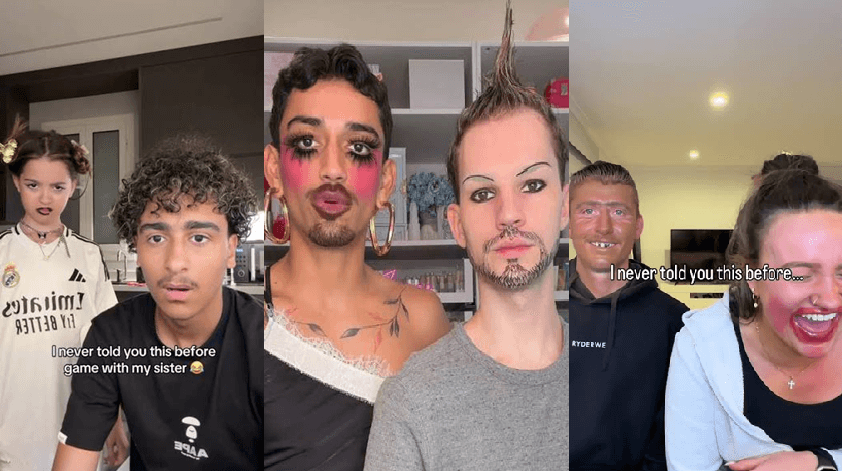
The I Never Told You This But trend turns a tender-sounding confession into a competitive makeover. Two people sit together and take turns announcing, 'I never told you this, but I like you better with...' What follow...The I Never Told You This But trend turns a tender-sounding confession into a competitive makeover. Two people sit together and take turns announcing, 'I never told you this, but I like you better with...' What follows is not affection but an intentionally awful cosmetic request. The other person...




Comments
Loading the live comment thread for this meme.