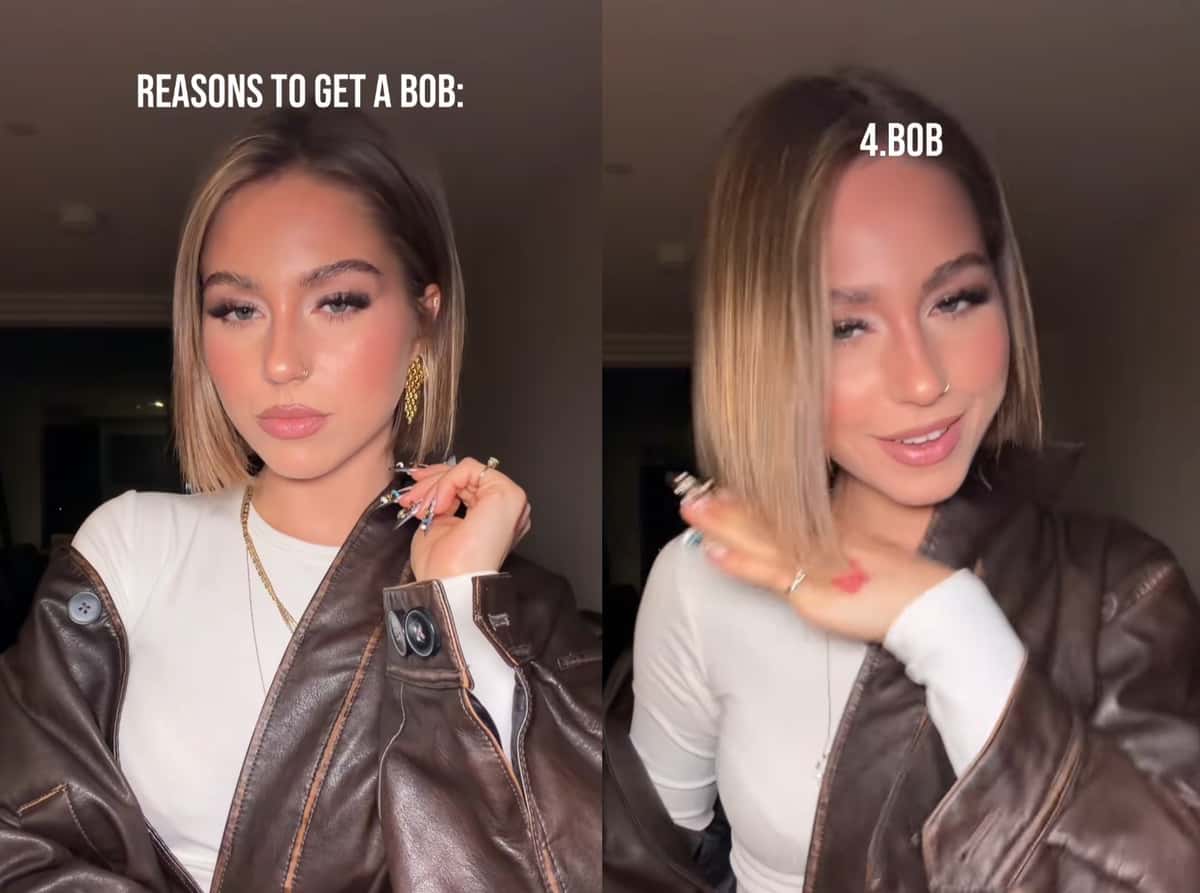
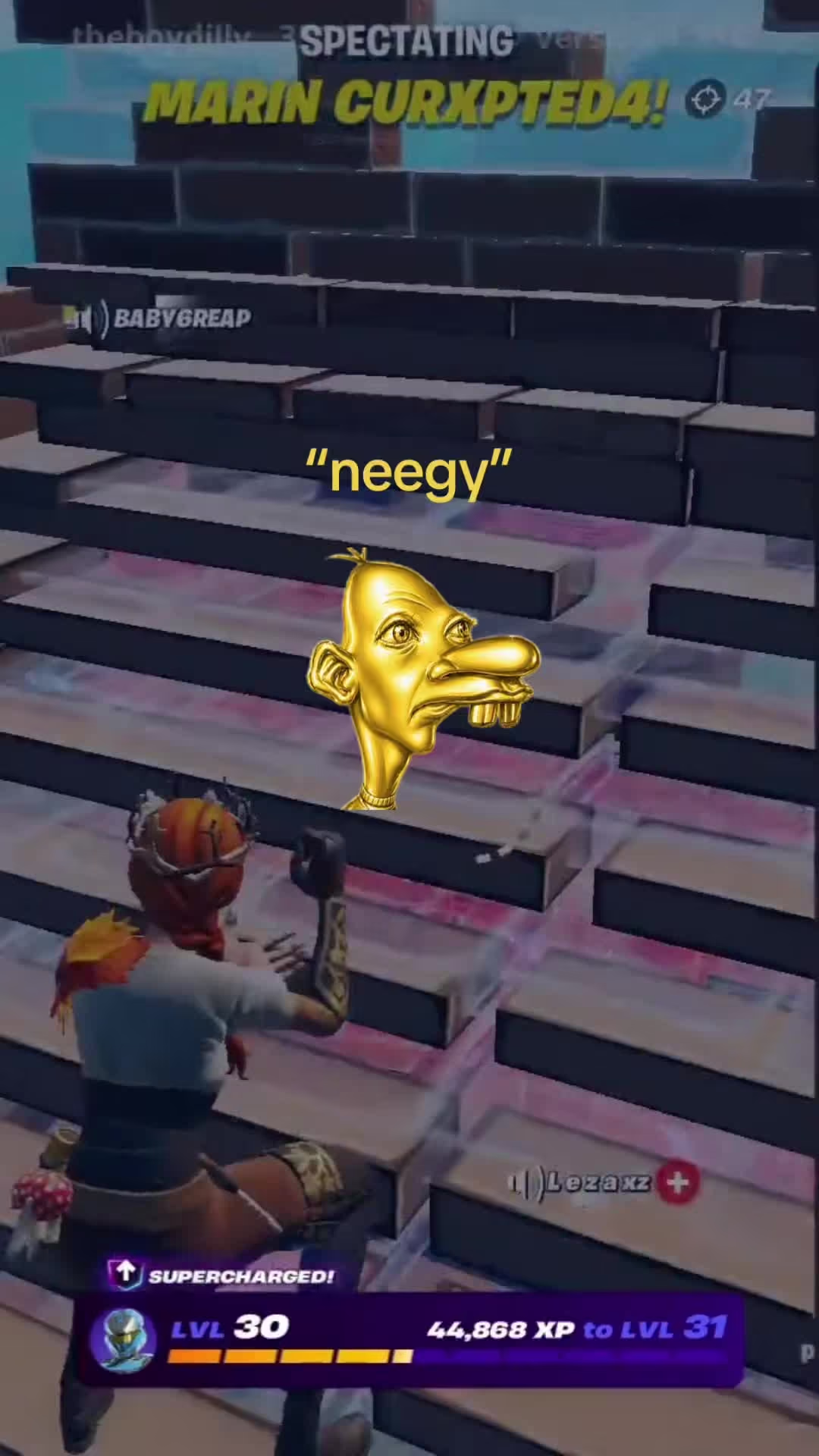
Ate (and left no crumbs)
/ayt/verb · expression
Online, “ate” praises someone for doing something impressively well; “ate and left no crumbs” makes that praise emphatic.
- #internet slang
- #praise slang
- #ballroom culture
- #social media language
- #Gen Z slang
Meaning
In current internet slang, to say someone “ate” is to praise a performance, outfit, response, presentation, or other effort as highly successful. “Ate and left no crumbs” intensifies the compliment, suggesting the person did it so thoroughly and flawlessly that nothing remains to criticize. The phrase uses the ordinary past-tense pronunciation of “eat” figuratively; no food is necessarily involved. It is usually praise, but “she thought she ate” can turn the idea into an ironic put-down when the speaker thinks the attempt failed.[1][2][4][6]
- 1. A compliment for a completed performance, look, response, creative work, or other successful effort: “They ate.”
- 2. An intensified form of that compliment: “ate and left no crumbs” suggests an especially flawless or dominant result.
- 3. In the expression “she thought she ate,” the speaker can imply that someone believed they succeeded even though the speaker thinks the attempt fell short.
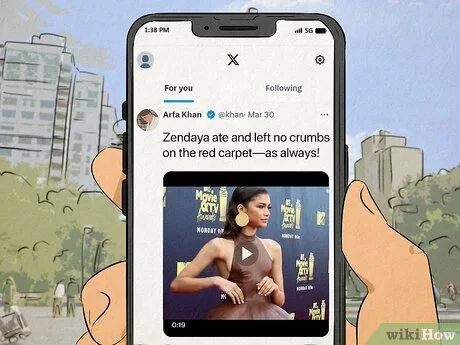
Examples
“That outfit reveal? She ate and left no crumbs.”
“You ate and left no crumbs in that presentation.”
“They ate and left no crumbs with that dance routine.”
“That comeback? She ate and left no crumbs.”
“She thought she ate and left no crumbs, but the joke missed.”
Origin and spread
“Ate” is the visible past-tense form used as slang praise, but the historical path by which it acquired that meaning is unresolved. Explainers associate the expression with Black and LGBTQ+ ballroom and drag language. Grinnell’s account documents underground ball culture established by queer Black communities in the 1960s, including competition categories and specialized slang; it does not document this exact expression or prove that it originated there. Slang.net reports a mid-2000s Queens origin for “ate that,” while also describing the origins as unclear; that report is not a verified contemporary record. The exact coiner, formation event, and route of spread remain unestablished.[1][2][3][4]
How to use it
Use “ate” after someone has delivered a notably strong result, especially in a casual text, caption, or comment. “Ate and left no crumbs” is more emphatic than plain “ate,” so it suits a moment that feels exceptionally polished or dominant. Be careful with “she thought she ate”: unlike the ordinary compliment, it can ridicule someone whose confidence was not matched by the result.
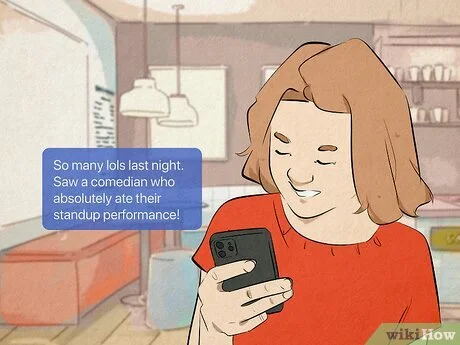
A compliment can turn ironic
The standalone forms “she ate” and “ate and left no crumbs” are presented as compliments. In “she thought she ate,” the speaker can instead suggest that someone believed they succeeded but did not, making the wording mocking rather than admiring.[6]
Ballroom association is not proof of origin
Some explainers associate the expression with ballroom and drag language. Grinnell independently documents underground ball culture and its specialized slang, but its account does not establish that this particular expression originated there.[2][3]
The phrase fits more than fashion
The explainers use the praise for accomplishments such as a performance, outfit, or work presentation; it is not limited to appearance. These are usage examples, not evidence of measured audience reaction.[2][6]
Questions people ask
Is “ate and left no crumbs” stronger than simply saying “ate”?
Yes. It is described as a more enthusiastic version of the praise, suggesting the result was so complete or impressive that nothing was left to criticize.[2][6]
How does “ate” compare with “slay”?
They overlap as praise, but Slangguide presents “slay” as broader praise for general excellence and “ate” as a verdict on a particular completed moment, such as a performance, outfit, or comeback. That distinction is usage guidance, not a strict rule.[2][6]
Is there a verified first creator or first date?
No. The 2019 and 2022 dates on Urban Dictionary are user-submitted entry dates, not verified earliest attestations; the 2019 wording is ambiguous, while the 2022 entry explicitly uses the praise and crumbs phrase. Slang.net’s mid-2000s Queens account is a report, not a verified first date.[5][4]
Sources
- 1. wikiHow — “She Ate” Meaning on TikTok and Social MediaSupports: meaning, origin.
- 2. wikiHow — “Ate and Left No Crumbs”: Meaning, Origin & MoreSupports: meaning, origin.
- 3. Grinnell College — Underground Ball CultureSupports: origin.
- 4. Slang.net — Ate That: What does ate that mean?Supports: meaning, origin.
- 5. Urban Dictionary — ateSupports: earliest documented use.
- 6. Slangguide — Ate Meaning Slang: She Ate and Left No CrumbsSupports: meaning.