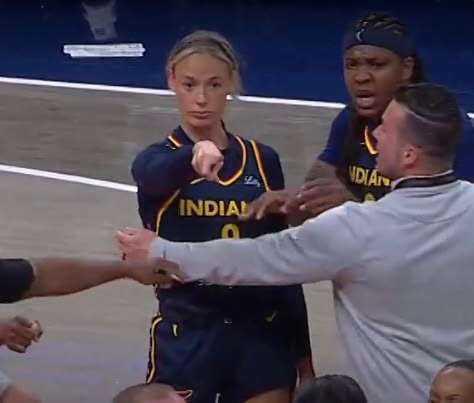
clock it
/KLOCK it/verb phrase · interjection
Meaning
An informal expression used to say that someone has noticed, understood, or accurately pointed out something revealing, suspicious, or true. It can also be an approving reply meaning “exactly” or “you caught that.”[1][2]
- 1. To notice or figure out a hidden detail, contradiction, motive, or pattern.
- 2. To call out or expose behavior that someone thought would go unnoticed.
- 3. An approving response to a sharp or truthful observation, similar to “exactly” or “you said it.”
- 4. In ballroom and related queer usage, to clock someone can mean recognizing information about them that they have not openly disclosed; this more specific sense may involve assigned sex at birth or other identity-related details.
Examples
“Clock it—the story changed as soon as her ex walked in.”
“Clock it: that apology sounds completely rehearsed.”
“I saw the contradiction and had to clock it.”
“Clock it, that was the real reason she canceled.”
“Nobody wanted to say it, but you can clock it from the pattern.”
Origin and spread
The phrase is associated with New York queer ballroom culture, where clocking could involve noticing or identifying a concealed detail. Ballroom icon Leiomy Maldonado recalled encountering “clock it” when she entered the scene in the early 2000s, while reporting describes the phrase as having existed in ballroom for decades. In broader internet slang, clock it has widened into a general reaction meaning “notice that” or “you are right.” The finger-tapping gesture often paired with the phrase is related ballroom material but is not itself the definition of clock it.[1]
How to use it
Clock it is casual, emphatic, and often playful, especially in group chats, comment sections, and reaction posts. It can praise someone for spotting the truth or sharpen a callout, depending on context. The ballroom sense has higher stakes: saying that someone has been clocked can refer to identifying concealed information about their assigned sex at birth or another aspect of their presentation, so it should not be used casually to announce an identity-related judgment about a stranger. The thumb-and-middle-finger tap is commonly associated with the phrase online, but it is a separate gesture rather than a required part of the expression.