1,000 Little Things Trend
Origin
A 1,000 Little Things video begins with a tiny declaration: one pleasure, memory, person or subject framed like an entry in a numbered list. Then the card gives way to a fast stack of photographs that makes the statement specific. The sentence is the label; the moodboard is the explanation. Some entries stay close to everyday gratitude, while others replace it with a friendship, event or fictional world.
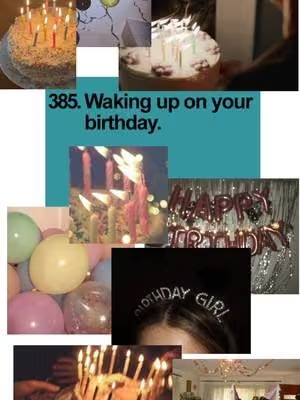
The cards come from Just Little Things, a project Nancy Vu began while she was in high school. A surviving post is dated December 30, 2010, and Vu later called that date the blog’s anniversary. Her design reduced an overlooked pleasure to a line of text on a minimalist colored rectangle. In a 2014 interview, she described the project as a meeting point between journaling and design—an attempt to notice experiences that school and work make easy to miss.
The project was already portable long before TikTok. Vu’s publisher found the cards circulating on Pinterest, and Tarcher released a book based on the website in May 2013. The official numbered sequence reached 1,000 on December 29 that year. Vu did not erase or disown it afterward: her anniversary note said she would restart reposting from entry one, leaving the archive available to be rediscovered.
On July 17, 2026, @ambienc3_ posted the earliest public example located of the new TikTok construction. The caption joined “#1000littlethings” to “#moodboard,” while the edit turned the old card from a finished graphic into the opening beat of an image montage. Its caption also says “ib: @dahyunator.” That credit matters: @ambienc3_ is the best-documented popularizer of this recognizable version, but the available evidence does not establish that account as the inventor of every part of the edit.
External media is blocked until you choose to load it.
Open on provider site: Earliest located 2026 TikTok format exampleSpread
Replication was visible the next day. @juju_ief posted an appreciation edit on July 18, reused @ambienc3_’s sound and called it a trend in the caption. That combination—a borrowed audio track, the thousand-things label and a new personal image set—made the structure legible without requiring creators to copy the same subject.
On July 19, @swagaliciousunicornq redirected the format toward a best friend. When checked on August 11, the post had 2.9 million views, the largest current snapshot among the early examples verified here. More important than the number was the change in address: the “little thing” no longer had to be a universal pleasure. It could name one relationship and let the images carry the emotional detail.
External media is blocked until you choose to load it.
Open on provider site: The format becomes a friendship moodboardBy July 21, @eyes.szq had pushed the same grammar into Doki Doki Literature Club. The caption retained “#1000littlethings” and “#moodboard,” but the image collection now spoke to a fandom rather than a personal diary. Contemporaneous documentation from the same day also recorded other topic-specific versions. The revival had become an editable container: keep the card-to-montage reveal, change what the card is allowed to mean.
External media is blocked until you choose to load it.
Open on provider site: An early fandom mutationWhy It Works
The format divides one idea between two speeds. The opening card is quiet, flat and instantly readable; the montage that follows is fast, crowded and particular. That change of tempo creates the payoff. A phrase such as friendship or joining a literature club may be broad, but the chosen faces, screenshots and places reveal what the creator means by it.
Its most durable feature is visual grammar, not a mandatory subject. Vu’s card supplies a recognizable premise, the vertical edit supplies motion, and each participant supplies the evidence of attachment. Because the sentence and images can both be replaced while the reveal stays intact, the same template can hold gratitude, nostalgia, private relationships or fandom jokes without becoming unrecognizable.
That also explains why “1,000” functions more like a lineage marker than a strict instruction in the TikTok branch. The number points back to Vu’s completed archive, but the verified 2026 examples behave as moodboards rather than a collective attempt to reproduce all thousand entries. TikTok did not simply repost the old cards; it made each card a doorway into somebody else’s image collection.
FAQ
A moodboard is a curated collection of visuals that communicates a particular feeling, style, or aesthetic.
Read full definitionSources
Added to MemePulse:
- Updated:
See Also
Video
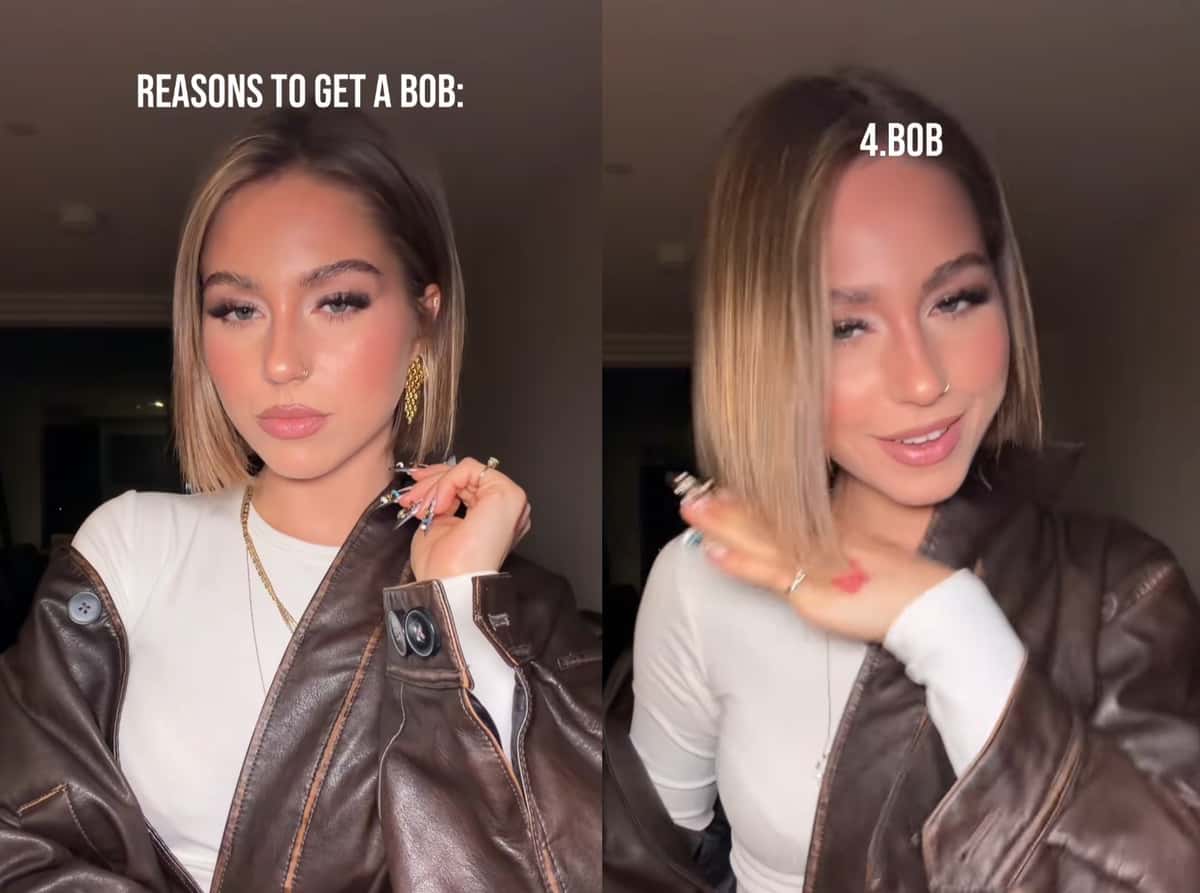
Bob / FREAKED OUT Repetition
A TikTok list format repeats one emphatic answer on successive beats of Fat Papi and prodshushy's FREAKED OUT.
Video
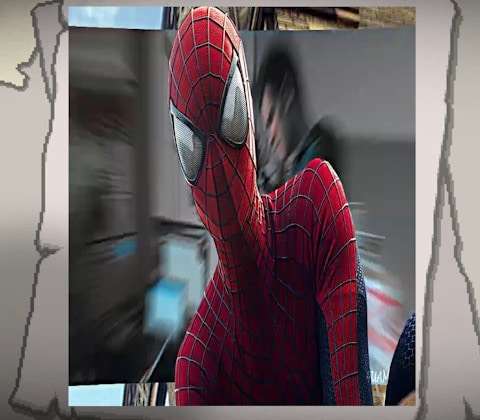
Polyester Edit
A mocking name for hyperactive character edits that layer foreground poses over rapidly flashing footage—and for the deliberately excessive parodies those edits inspired.
Video
Neegy Meme
Neegy is a short-form video meme built around a gold long-faced figure, Fortnite spectator footage, on-screen text, and a reusable sound.
Meme story
Pirate Gaster
Pirate Gaster is a 2026 Deltarune fan meme that recasts the mysterious W. D. Gaster as a pirate captain. It is a community-made joke, not an official character or storyline. drit__ posted the earliest documented viral...Pirate Gaster is a 2026 Deltarune fan meme that recasts the mysterious W. D. Gaster as a pirate captain. It is a community-made joke, not an official character or storyline. drit__ posted the earliest documented viral version on X on June 27. It frames Kris, Susie, Noelle and enigmatic Deltarune...
Comments
Loading the live comment thread for this meme.