Ken Burns
/ken burnz/proper noun · noun
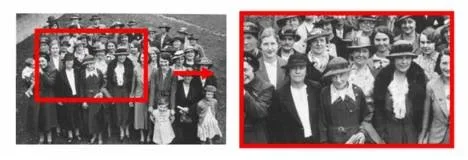
In editing talk, “Ken Burns” is shorthand for the Ken Burns effect: a slow pan or zoom across a still image.
- #video editing
- #internet memes
- #camera movement
- #Curb Your Enthusiasm
Meaning
In video-editing and meme-making contexts, “Ken Burns” usually means the Ken Burns effect: slowly panning or zooming across a still image. The movement can draw attention to a face or detail, but the effect itself is a neutral editing technique; the surrounding footage, music, and joke determine the tone. For example, an editor might say, “Give that photo a Ken Burns effect.”[1][3]
- 1. The Ken Burns effect: a slow pan or zoom across a still photograph, used to add movement and guide attention.
- 2. In meme-making advice, “Ken Burns” can refer to using that editing effect while preparing a video. It is a production instruction, not the defining joke of the Curb Your Enthusiasm theme-remix format.
Examples
“I added a Ken Burns effect so the photo slowly moves toward the sign.”
“Could you use the Ken Burns effect on that still before the cut?”
“The edit uses a Ken Burns effect; the music is what makes the moment feel ominous.”
Origin and spread
The pan-and-zoom technique predates the name “Ken Burns effect.” Wikipedia describes the name as deriving from documentarian Ken Burns’s extensive use of the technique, while Yume’s retrospective account says Apple named an iMovie feature after Burns. Apple’s January 7, 2003 iLife announcement documents the feature under the name “Ken Burns” effect; that dated software reference does not establish when the technique or name was first used. Know Your Meme recounts editing advice for Curb Your Enthusiasm theme remixes: Jason Richards recommended applying the effect in iMovie. That is a production tip, not a separate meme meaning. Earliest use of the name is not established.[1]
How to use it
This is a neutral technical label, not an inherently insulting, affectionate, or comic expression. In a meme edit, the effect may direct attention or add a deliberate sense of movement, but the surrounding image, soundtrack, and timing supply the tone. “Ken Burns effect” is clearer than “Ken Burns” when the editing technique might be ambiguous.
Editing technique, not the Curb punchline
The Curb Your Enthusiasm remix format uses the show's theme and end credits to frame an awkward or failing situation. In the meme-making advice documented by Know Your Meme, the Ken Burns effect is a separate instruction for editing the video.[3]
A documented criticism of the remix
Know Your Meme reports that Jason Richards criticized some Curb remixes as overused and poorly chosen, arguing that some clips gave their subjects more control than Larry David's character typically has. This is his reported view, not a general audience consensus.[3]
Questions people ask
Did Ken Burns invent the pan-and-zoom technique?
No. The technique predates its name. Wikipedia describes it as deriving its name from Burns’s extensive use of the technique, but the available evidence does not establish a first use.[1]
When is the name “Ken Burns effect” documented in software?
Apple’s January 7, 2003 iLife press release describes the feature in iMovie 3 as the “Ken Burns” effect. That is a dated documented use, not proof of the earliest use of the name.[2]
What does the effect do to a still image?
It moves the framing across or into the photograph, making a still image feel like a moving shot. Yume describes transforming a still into a sequence with a beginning and a point of arrival.[4]
Sources
- 1. Wikipedia — Ken Burns effectSupports: meaning, origin.
- 2. Apple Newsroom — Apple Introduces iLifeSupports: earliest documented use.
- 3. Know Your Meme — Curb Your Enthusiasm Theme RemixesSupports: meaning.
- 4. Yume — The Ken Burns effect: origin, why it works, when it fails