pressed
/prest/adjective
Meaning
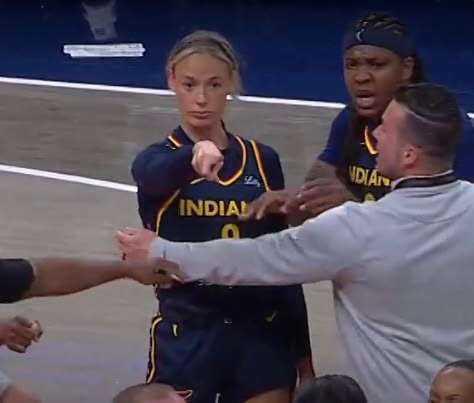
In informal speech, pressed describes someone who is upset, annoyed, offended, stressed, or unusually bothered by a person or situation. It often suggests that the reaction is excessive, trivial, or entertainingly obvious to other people.[2]
- 1. Upset, annoyed, offended, or emotionally bothered by something.
- 2. Overly invested in an argument, criticism, rivalry, or other situation, especially when the speaker thinks the reaction is unnecessary.
- 3. Under noticeable stress or pressure, including when someone describes their own emotional state rather than criticizing someone else.
Examples
“Why are you so pressed over a group chat typo?”
“She stayed pressed after the joke ended.”
“I'm not pressed; the screenshot speaks for itself.”
“He got pressed when nobody agreed with his ranking.”
Origin and spread
The slang adjective is a semantic extension of ordinary pressed, which already suggests being under pressure or strain. Merriam-Webster identifies the modern slang sense as originating in African American English and later becoming widespread. It was circulating in edited online culture writing by December 2020, when PAPER used it for people reacting angrily to a social-media controversy. The available record supports gradual circulation rather than a single known coinage or a proven connection to one specific meme.
How to use it
Pressed is informal and often teasing or dismissive. It commonly appears after a linking verb or with get, feel, stay, or be, as in you are pressed, she got pressed, or why are you so pressed? It usually describes a reaction rather than a person’s permanent personality, and it rarely comes directly before a noun in this slang sense. Because the usage is associated with African American English and has spread through online culture, using it as performative imitation of a dialect can sound forced or appropriative.
Sources
- 1. PAPER Magazine — Why Did We Take the "Harry Styles Wore a Dress" Bait?Supports: earliest documented use.
- 2. Wiktionary — pressedSupports: meaning, earliest documented use.