TFW
/tee-eff-double-you/initialism · phrase
Meaning
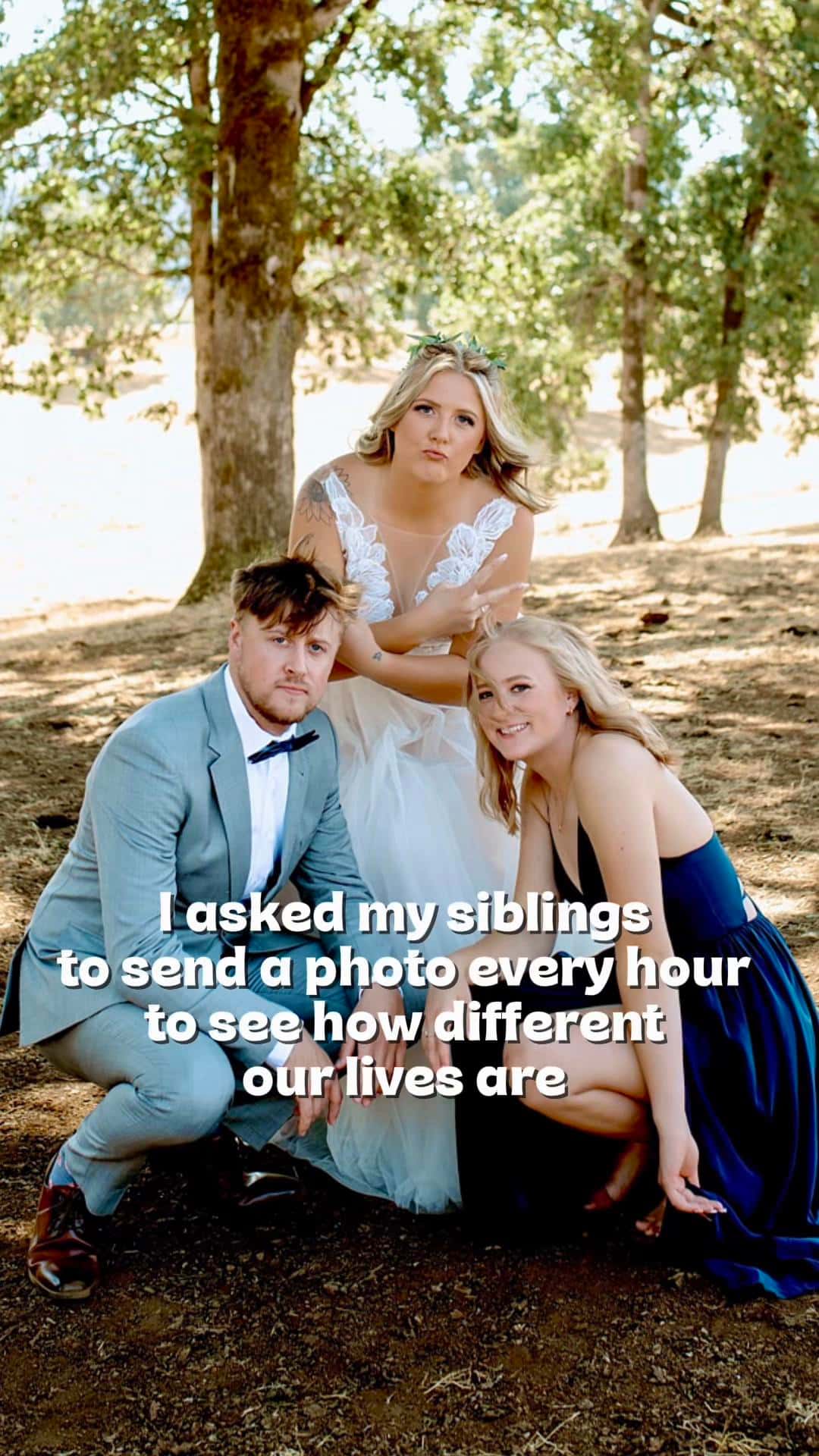
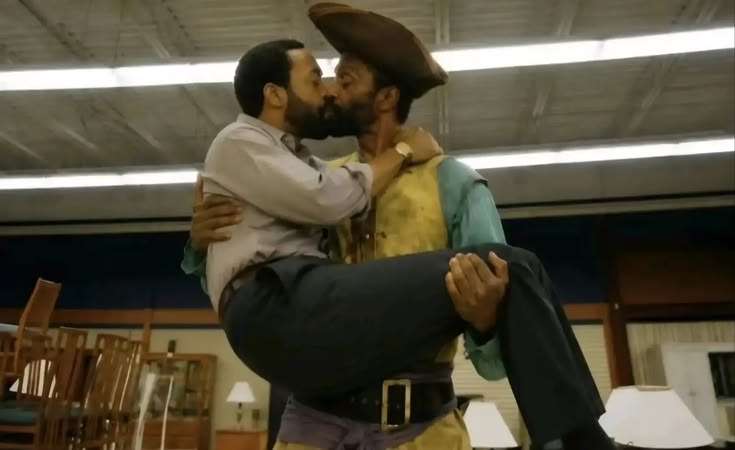
TFW is short for “that feeling when” or the deliberately nonstandard “that feel when.” It appears before a situation and invites the audience to recognize the emotion it causes, often without naming that emotion directly. A post may use TFW alone with text or pair it with a reaction image, GIF, or video.
- 1. A setup introducing an experience and implying that its emotional effect will be familiar to the audience.
- 2. A caption directing the reader to interpret an accompanying face, reaction image, GIF, or video as the response to a described situation.
Examples
“TFW the meeting ends five minutes early.”
“tfw your package says delivered but the porch is empty 😭”
“TFW you finally remember why you walked into the kitchen.”
“TFW the code runs on the first try and you don't trust it.”
Origin and spread
TFW formed as an initialism of “that feel when” and “that feeling when.” Its early history is tied to imageboard language and the Wojak or Feels Guy reaction-meme tradition. The longer formula “that feel when no gf” is documented around 2010, but that phrase is a precursor rather than secure evidence of the initials themselves. TFW was circulating in its modern meme sense by the early 2010s, initially associated strongly with sadness and loneliness before widening to cover awkwardness, relief, excitement, nostalgia, and absurdly specific reactions. By 2017, Gucci's #TFWGucci campaign showed that the format had spread well beyond imageboards. “That face when” is also an established interpretation, particularly beside reaction images, although the record does not establish it as the sole original expansion.[1]
How to use it
TFW belongs in memes, captions, comments, texts, and casual chats rather than formal prose. It usually goes directly before a clause: “TFW your alarm never went off.” Writing “TFW when” literally repeats “when,” though people sometimes use the redundancy deliberately for comic effect. The emotion should be apparent from the situation or accompanying media. In unrelated contexts, capitalized TFW can have other meanings, including “temporary foreign worker,” so context matters.