Thirst trap
/THURST trap/noun
A thirst trap is a suggestive or especially flattering social-media post read as an attempt to attract desire, compliments, or attention.
- #internet slang
- #social media
- #selfies
- #online dating
Meaning
A thirst trap is a suggestive or especially flattering post—often a selfie or video—that seems designed to attract sexual interest, compliments, or attention. The phrase describes how the post is presented or perceived; it does not prove what the person who posted it intended. A selfie can be a thirst trap, but the two terms do not mean the same thing.[2][3]
- 1. A suggestive or flattering social-media post that appears to invite attraction or admiring comments.
- 2. A teasing label for an attractive post, sometimes used playfully or admiringly and sometimes as a criticism of apparent attention-seeking.
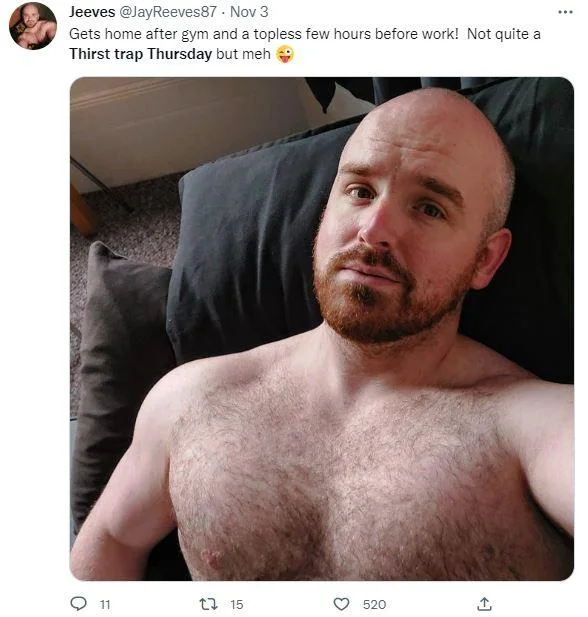
Examples
“That gym selfie is a thirst trap.”
“Posting a thirst trap, huh?”
“The smoothie caption is innocent; the framing makes it read like a thirst trap.”
Origin and spread
“Thirst trap” combines the visible words “thirst” and “trap.” In Know Your Meme’s separate account of “thirst,” the word is described online as yearning or desire, often involving sex or attention, and as being used with “trap.” The compound is documented in a 2011 Urban Dictionary definition reported by Know Your Meme: it describes a statement or picture intended to create “thirst.” The Cut quoted that definition in 2015 while discussing thirst traps in selfie and photo-posting culture, including different ways a post might be presented. Together, these accounts document the compound by 2011 and later discussion of its use; they do not establish its coiner or exact first online use.[1][2][5]
How to use it
The phrase can sound admiring, playful, or judgmental. Calling a post a thirst trap may imply calculated attention-seeking, so it can sting when aimed at someone rather than used jokingly between people who are comfortable with the tease. An attractive image alone cannot establish the poster’s motive.
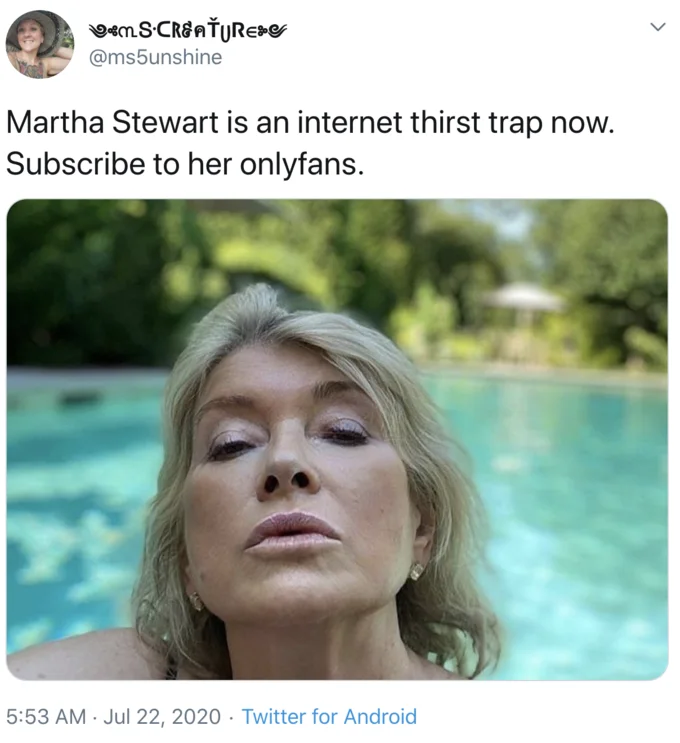
The label is an interpretation
The Cut discusses both overtly provocative images and posts presented with an apparent pretext, such as a workout or haircut. That range helps explain why calling something a thirst trap characterizes how its presentation may be read, rather than proving the poster’s motive.[2]
The phrase can praise or criticize
The Cut quotes a criticism of thirst traps as a bid for validation and also presents a more permissive view of posting them. These are perspectives in that article, not evidence that everyone reacts the same way.[2]
A selfie is a format, not a motive
A selfie is an image taken by the person holding the camera; “thirst trap” adds a judgment that the image is suggestive or especially flattering and may attract desire or compliments. One describes how an image is made, the other how it is presented or interpreted.[2][3]
Questions people ask
Sources
- 1. Know Your Meme — Thirst TrapSupports: earliest documented use, origin.
- 2. The Cut — Quit Worrying and Embrace the Art of the Thirst TrapSupports: origin, meaning.
- 3. Wiktionary — thirst trapSupports: form, meaning.
- 4. Wikipedia — Thirst trap
- 5. Know Your Meme — ThirstSupports: origin.