Weirdcore
/WEERD-core/noun · adjective
An internet aesthetic that makes familiar or nostalgic imagery feel surreal, uncanny, and unsettling.
- #internet aesthetic
- #weirdcore
- #dreamcore
- #liminal spaces
- #surreal imagery
Meaning
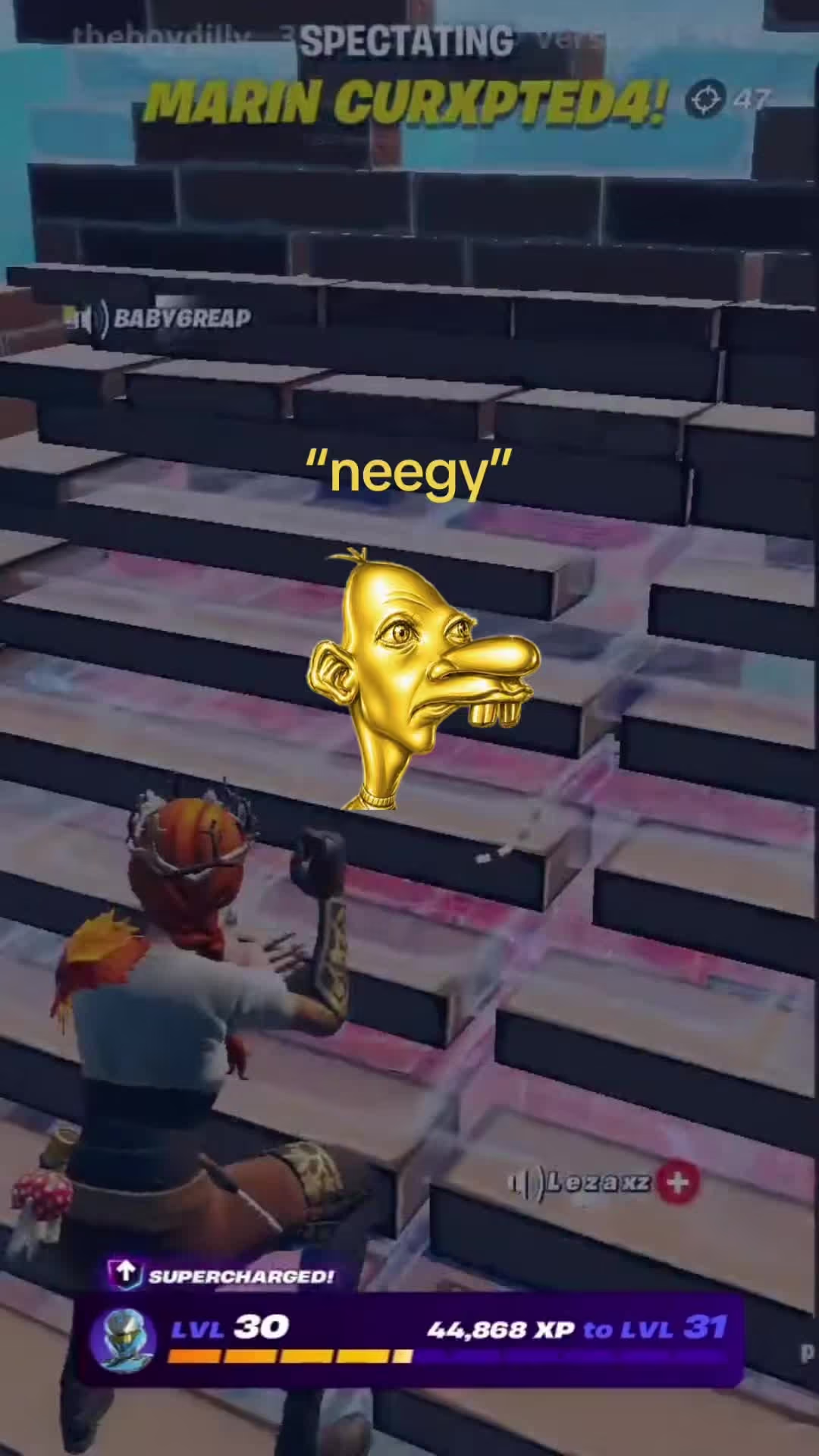
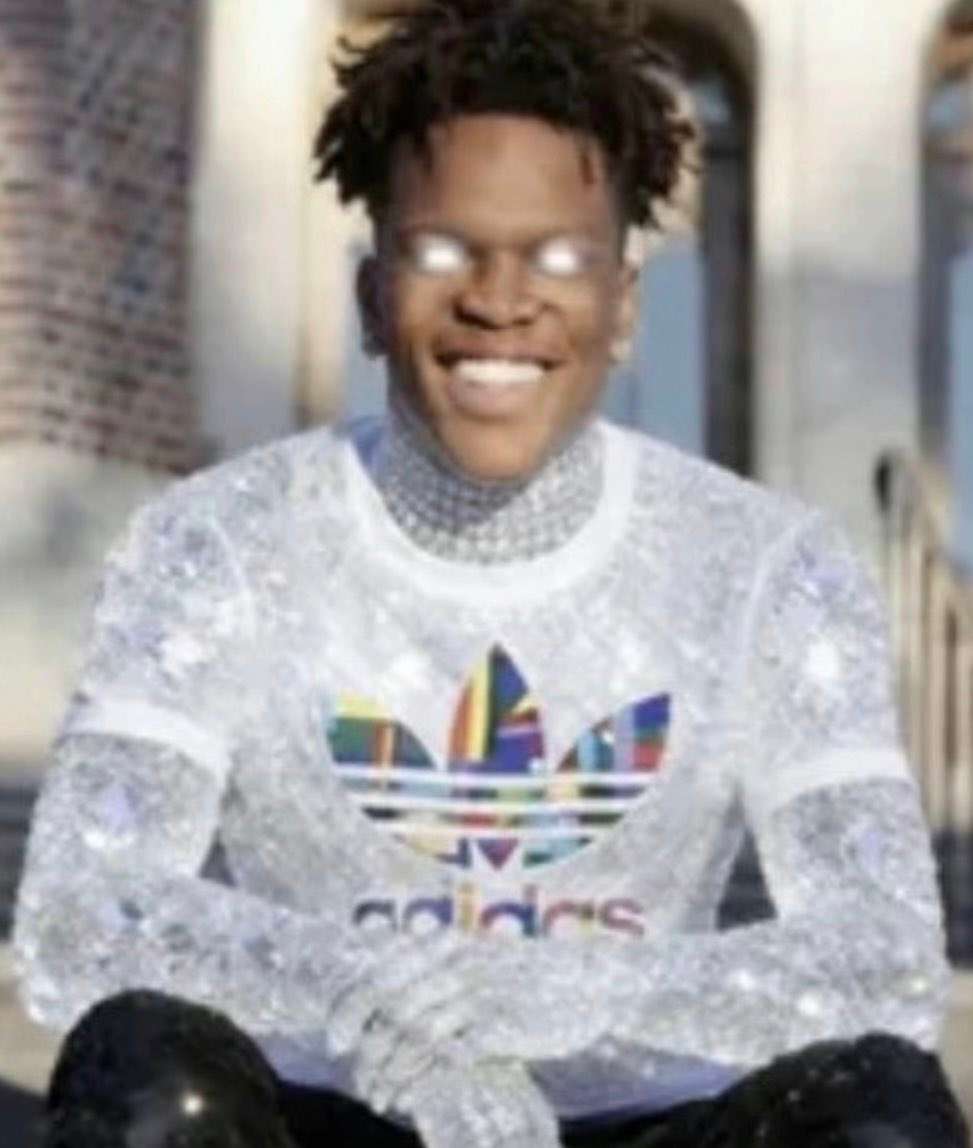
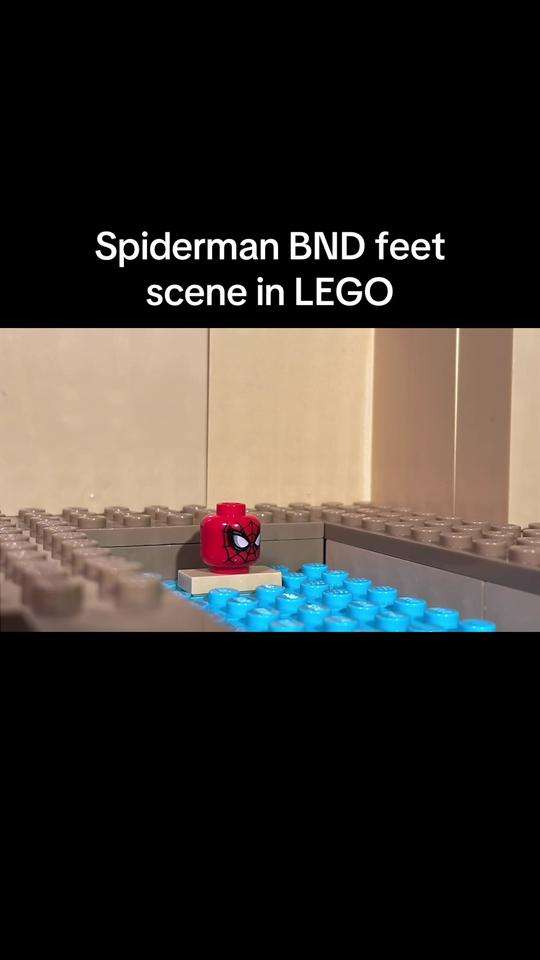
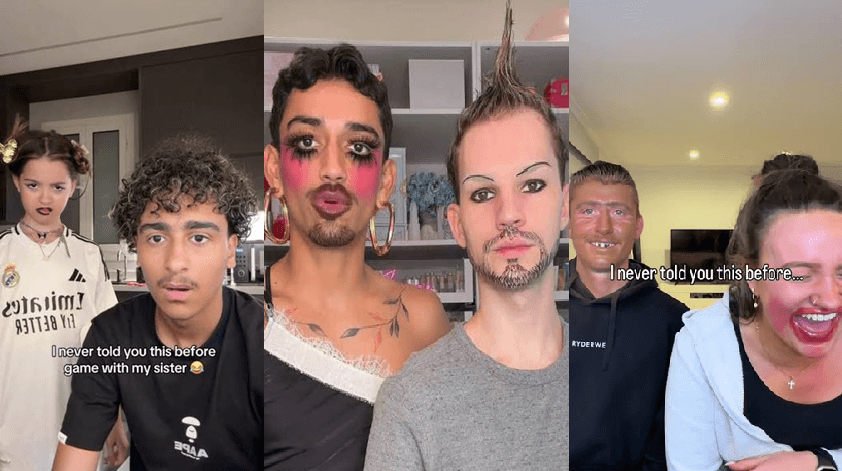
Weirdcore is an internet aesthetic, usually visual, that turns ordinary, familiar, or nostalgic imagery into something uncanny. It often uses low-quality or digitally modified pictures, empty liminal spaces, surreal or repeated text, eyes, mouths, black voids, and abrupt visual changes. The mood may be eerie, disorienting, lonely, playful, or dreamlike. Calling an image or edit weirdcore usually describes its style, rather than judging a person.[1][2]
- 1. A visual style built from lo-fi or distorted images, nostalgic settings, empty familiar spaces, surreal text, and unsettling symbols.
- 2. A contextual label for an edit, picture, video, or related artwork whose main effect comes from making the familiar feel strange or psychologically uncomfortable.
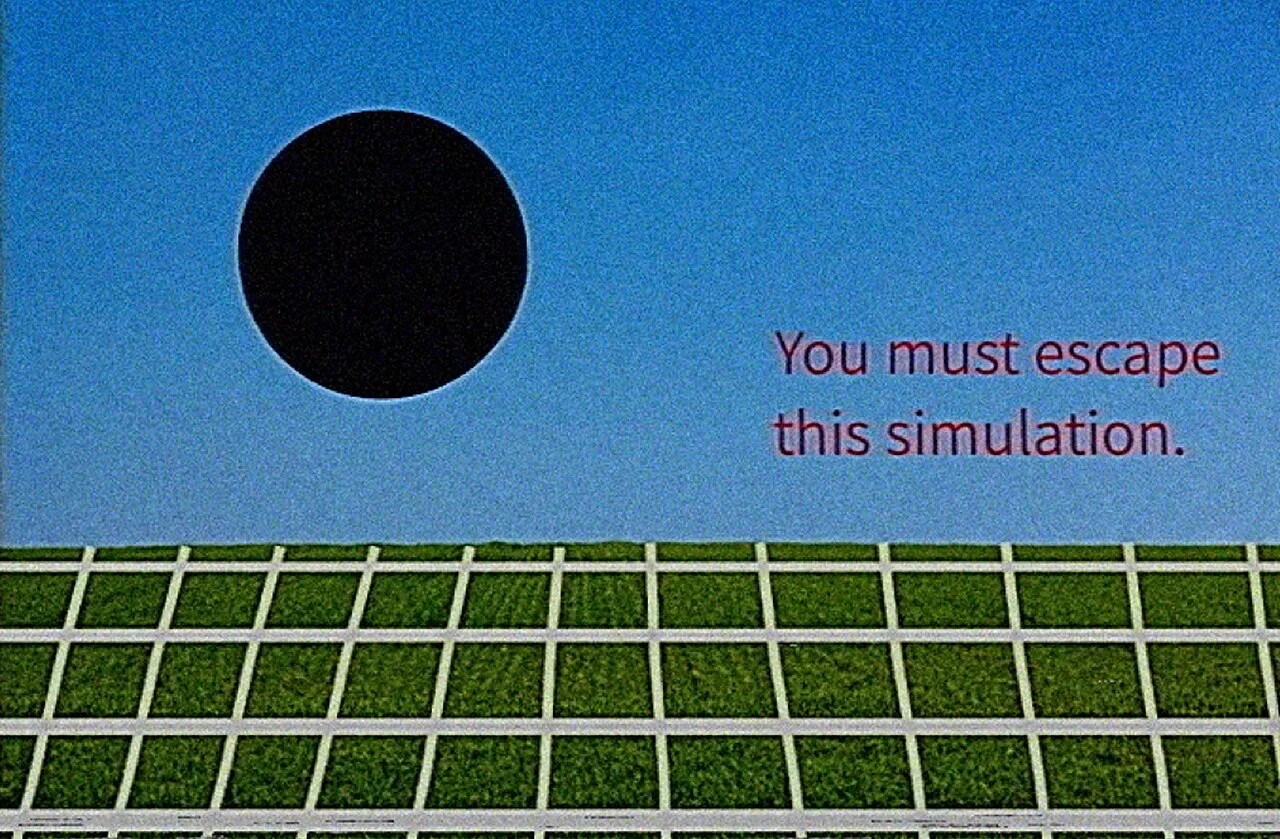
Examples
“That empty school hallway with the floating text is very Weirdcore.”
“This Weirdcore edit makes the playground look strangely unfamiliar.”
“The black void and distorted eyes give the photo a Weirdcore mood.”
Origin and spread
Weirdcore is a transparent compound of “weird” and “-core,” a suffix used in names for aesthetics and styles. The available reporting says the aesthetic’s exact origin is unknown, with early imagery appearing on Tumblr and later circulating across platforms including Pinterest, YouTube, and Discord. One explainer attributes increased attention to a David Crypt video about Weirdcore imagery, but that account does not establish a first creator or a causal timeline. The aesthetic was described as an internet-born art movement in a 2021 article cited by Wikipedia. Its nostalgic imagery should not be treated as evidence that the aesthetic itself began in the era depicted.[3]
How to use it
Use weirdcore for an image, edit, video, or aesthetic treatment rather than ordinarily using it as an insult for a person. It can suggest unease without necessarily meaning horror, sexuality, or a wholly negative reaction; the same visual language may also feel playful or dreamlike.
Why the familiar feels strange
The effect often comes from placing recognizable settings such as playgrounds, classrooms, or malls in empty scenes, then adding lo-fi editing, odd text, eyes, or a black void. The contrast between familiarity and disruption is central to the aesthetic’s unease.[1][3]
Not the same as webcore
Webcore centers on the visual and musical language of 1990s and early-2000s internet culture. A weirdcore work can borrow old-web textures, but its defining emphasis is the surreal or unsettling treatment of imagery.[1][2]
Unease is common, but not required
The documented descriptions emphasize discomfort, dread, disorientation, loneliness, and confusion, while also describing nostalgia, play, wonder, or a grounding effect. The label therefore signals an uncanny style rather than one fixed audience reaction.[1][3]
Questions people ask
How is weirdcore different from dreamcore?
Both can use nostalgia, familiarity, liminal spaces, and confusing imagery. Dreamcore is framed more around the feeling of being in a dream and often uses brighter, lighter, or pastel treatments, while weirdcore tends more toward uncanny nostalgia, dread, and startling disruptions. The boundary is a tendency, not a strict rule.[3]
Is weirdcore usually an insult for a person?
No. In the documented internet-aesthetic sense, weirdcore labels the style of an image, edit, video, or artwork. It describes an uncanny visual treatment and does not ordinarily classify a person.[1][3]
When was weirdcore first used?
Earliest use not established. A retrospective explainer reports Weirdcore art as early as the 2010s and describes early images on Tumblr, but it does not provide a dated primary example proving the first use of the name or aesthetic.[3]
Sources
- 1. Wikipedia — WeirdcoreSupports: meaning, form.
- 2. Know Your Meme — Webcore / InternetcoreSupports: meaning.
- 3. Underground Sound — Weirdcore Aesthetic: The Fascinating World of the Oddly FamiliarSupports: origin, earliest documented use.