Boysober
/BOY-soh-ber/adjective
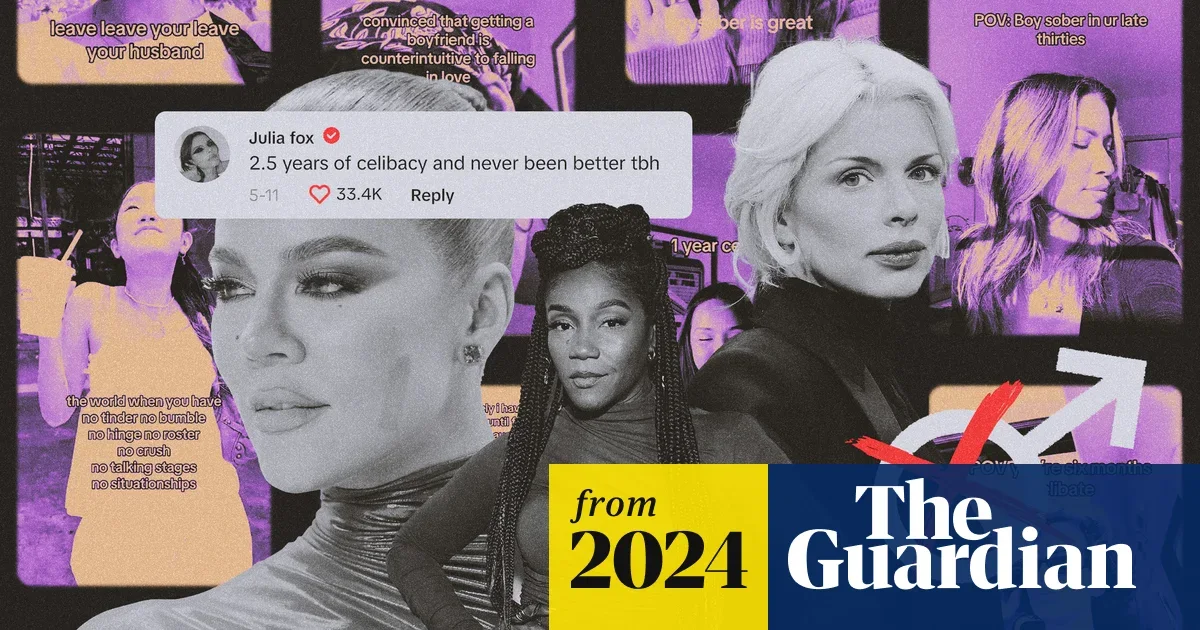
Boysober describes a chosen break from dating, sex and romantic entanglements to focus on yourself rather than romantic attention.
- #dating slang
- #romantic boundaries
- #celibacy
- #TikTok
Meaning
Boysober means deliberately stepping away from dating, sex and romantic entanglements, often to focus on yourself or interrupt unhealthy patterns of seeking attention and validation. Someone going boysober may stop using dating apps, seeing dates or reconnecting with exes and situationships. Although the name suggests avoiding men, comedian Hope Woodard, who popularized it, explicitly included romantic relationships with people of any gender. It describes a chosen boundary; it does not by itself imply hostility toward men, a particular sexuality or a permanent decision to remain single.[1][2]
- 1. As a personal boundary: taking a deliberate break from sex, dating and romantic relationships, often including dating apps and contact with exes or situationships.
- 2. As a description of a period or lifestyle, as in a boysober year: centering your own needs and reconsidering patterns of seeking romantic attention. This is an emphasis within the same meaning, rather than a separate sense.
Examples
“After that situationship, I’m going boysober for a few months.”
“I’m boysober right now, so I’m skipping the dating apps.”
“My boysober year is about figuring out what I want before I start dating again.”
“For me, being boysober includes not texting my ex whenever I’m bored.”
Origin and spread
Earliest use not established. The expression is documented by the New York Times on February 3, 2024. That report connects Hope Woodard’s use to a personal project begun after she assessed her dating life the preceding October and decided to spend a year away from sex and dating. This places the reported background in late 2023 without establishing an exact first use or a sole inventor. The Daily Dot later attributed the underlying phrase to Woodard’s younger sister, a secondhand account rather than a verified first-use record. Woodard helped spread boysober through her TikTok content and a monthly storytelling and comedy show of the same name at Purgatory in Brooklyn. The Times described the first show as sold out and recorded Woodard explaining that the term covered partners of any gender. By May 2025, Women’s Health reported that the expression also appeared in her merchandise and comedy sets, with a boysober podcast announced.[3][4]
How to use it
Use boysober in constructions such as going boysober, being boysober or a boysober year. It can sound earnest, playful or self-deprecating. Woodard’s reported rules included no dating apps, dates, contact with exes or situationships, or sex, but a speaker’s precise boundaries need context. Her yearlong commitment is an example, not a fixed duration built into the word. Sober supplies an abstinence metaphor here; the label alone says nothing about someone’s alcohol use or a clinical diagnosis.

The boy in boysober does not limit it to men
Despite the wording, Woodard explicitly included romantic relationships with people of any gender in the February 2024 New York Times report. That broader interpretation was already documented then; it should not be treated as a later change or used to infer someone’s sexuality.[1]
One attendee described it as a reset after a situationship
At Woodard’s show, attendee Catie Kobland told the New York Times that she and her friends periodically chose celibacy after relationships or bad situationships. She framed the break as a mental-health reset. That is one reported attendee’s perspective, rather than evidence that everyone experiences the break the same way.[1]
Sex-positive people can choose a boysober break
The New York Times described Woodard as sex-positive. In her account, stepping away from sex and romance involved learning to say no and examining unhealthy relationship patterns. The term therefore does not inherently signal religious abstinence or shame about sexual desire.[1]
Questions people ask
Can I be boysober if I still go on dates but don’t have sex?
That is narrower than Woodard’s reported version, which excluded both sex and dating, along with dating apps and contact with exes or situationships. Celibacy chiefly describes sexual abstinence; boysober commonly extends the break into romantic life. If you use boysober with different boundaries, explain what you mean.[2][1]
Does being boysober have to last a year?
A year was Woodard’s personal commitment, rather than a duration required by the word. The Daily Dot describes people sharing both short-lived and decades-long experiences under the label. State your intended timeframe if it matters to the conversation.[2][3]
Is going boysober the same as joining the 4B movement?
The practices can overlap, but the commitments differ. The Guardian describes 4B through four refusals: heterosexual marriage, dating, sex and childbirth. Boysober can describe a temporary personal break from sex and romance without committing someone to reject marriage or childbirth.[4][1]
Sources
- 1. The New York Times — She’s Not Celibate — She’s ‘Boysober’Supports: meaning, earliest documented use.
- 2. Women’s Health — What It Means To Be 'Boysober' In 2025Supports: meaning.
- 3. The Daily Dot — What does it mean to be ‘Boysober’?Supports: origin.
- 4. The Guardian — Going boysober: the women who turned to celibacy in 2024Supports: origin.
- 5. Wiktionary — boysoberSupports: form.