Floodlighting
/FLUD-ly-ting/noun · verb
Floodlighting means sharing intensely personal information too soon to accelerate intimacy, test acceptance, or seek reassurance before trust has developed.
- #dating vocabulary
- #relationship boundaries
- #oversharing
- #emotional intimacy
Meaning
In dating and relationship discussions, floodlighting means revealing a large amount of emotionally intense personal information early on to speed up closeness or test whether someone will accept you. Someone might recount painful relationships or childhood trauma, then look for immediate reassurance, reciprocal disclosure, or commitment. The concern is the pressure and premature intimacy this can create, rather than the personal subject matter alone. The term is usually critical, but it does not establish deliberate manipulation: the behavior can also reflect insecurity or unconscious boundary testing.[1][3]
- 1. In early dating, concentrated disclosure used to create an immediate sense of closeness before the people involved have built trust.
- 2. As a test of acceptance, revealing difficult personal history while closely watching whether the listener offers reassurance or seems able to handle it. This is a use within the same relationship meaning.
Examples
“Is this floodlighting? We've just met, and I'm already being asked to promise I'll stay.”
“Being honest about your past isn't automatically floodlighting.”
“The floodlighting left me feeling responsible for someone I'd only just met.”
“I worried I was floodlighting when I told my whole relationship history just to get reassurance.”
Origin and spread
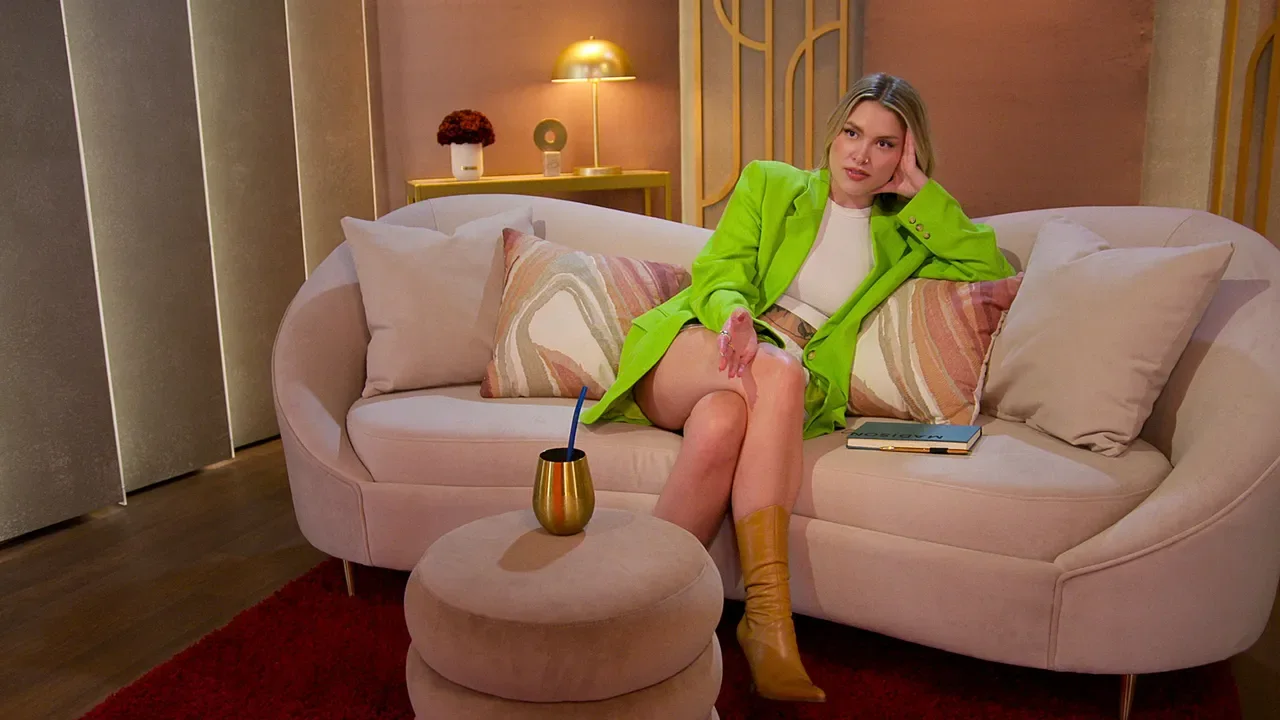
Earliest use not established. Cosmopolitan attributes the term to Brené Brown, and The Guardian reports the same attribution, but a dated original passage from Brown is not established by these sources. The metaphor compares concentrated vulnerability to a powerful light directed at someone before they are ready for it. The dating sense is documented by Glamour UK's article of 25 February 2025, which discussed accusations that Madison was rushing intimacy with Alex on Love Is Blind. Its expert commentary also questioned that interpretation, pointing to the show's unusually short courtship. The Guardian covered the expression in March, Glamour published a US version that month, and Cosmopolitan explained it in May. These articles document its circulation in relationship commentary during 2025; they do not establish that it was invented that year or spread from one particular platform.[3]
How to use it
Use the label carefully because it carries an accusation about how disclosure functions in a relationship. More useful clues than the topic alone are the pace, the unevenness of the exchange, pressure to reassure or disclose in return, and whether signs of discomfort are ignored. Cosmopolitan distinguishes these patterns from natural openness, first-date nerves, or attempts to fill an awkward silence. Describe what happened before assuming why someone did it.
The Love Is Blind example was disputed
Glamour UK reports accusations that Madison floodlit Alex, but its quoted expert Louella Alderson offers another interpretation: the show's short timeline makes rapid disclosure understandable, and the conversation could have been an attempt to assess compatibility. A scene of someone opening up does not, by itself, settle their motive.[2]
The emotional strain can run both ways
Glamour's expert commentary describes a listener feeling overwhelmed or pushed into an emotional caretaker role. It also describes the person disclosing as potentially feeling exposed and becoming vulnerable to exploitation. That makes the dynamic more complicated than a simple story of a calculating person overwhelming an unsuspecting date.[2][4]
Questions people ask
How is floodlighting different from love bombing?
Cosmopolitan compares them as ways of accelerating attachment, but distinguishes their methods. Love bombing uses excessive affection and gifts; floodlighting uses intense personal disclosure to create a sense of immediate intimacy or an obligation to offer care.[3]
Does calling someone a floodlighter mean they are manipulating me on purpose?
The label suggests a pressuring dynamic, but it does not prove conscious intent. The Guardian allows for deliberate or subconscious use of vulnerability, while Glamour discusses insecurity and unconscious boundary testing. Pace, reciprocity, and responses to discomfort offer more concrete information than assuming a motive.[1][2]
Can a deep conversation on a first date still be healthy?
Yes. Cosmopolitan's expert distinguishes floodlighting from natural openness and nervous oversharing, and says a strong first-date connection can provide a foundation for intimacy. The concern arises when disclosure forces connection, pressures the listener to reciprocate, or continues despite discomfort; there is no single timetable that fits every couple.[3]
Sources
- 1. The Guardian — Why revealing too much on a first date could be a red flagSupports: meaning.
- 2. Glamour UK — Are you experiencing 'floodlighting' in your relationships?Supports: form, earliest documented use.
- 3. Cosmopolitan — What Is the “Floodlighting” Dating Trend?Supports: origin, meaning.
- 4. Glamour — Are You Experiencing ‘Floodlighting’ in Your Relationship?