parasocial interaction
/pair-uh-SOH-shul in-tuh-RACK-shun/noun
Meaning
A perceived interpersonal exchange or sense of familiarity in which an audience member feels personally connected to a creator, celebrity, fictional character, streamer, athlete, politician, or other media figure who does not know them in the same way. The phrase can describe a single moment, such as feeling directly addressed by a video, or the repeated experience of treating mediated exposure as personal contact.
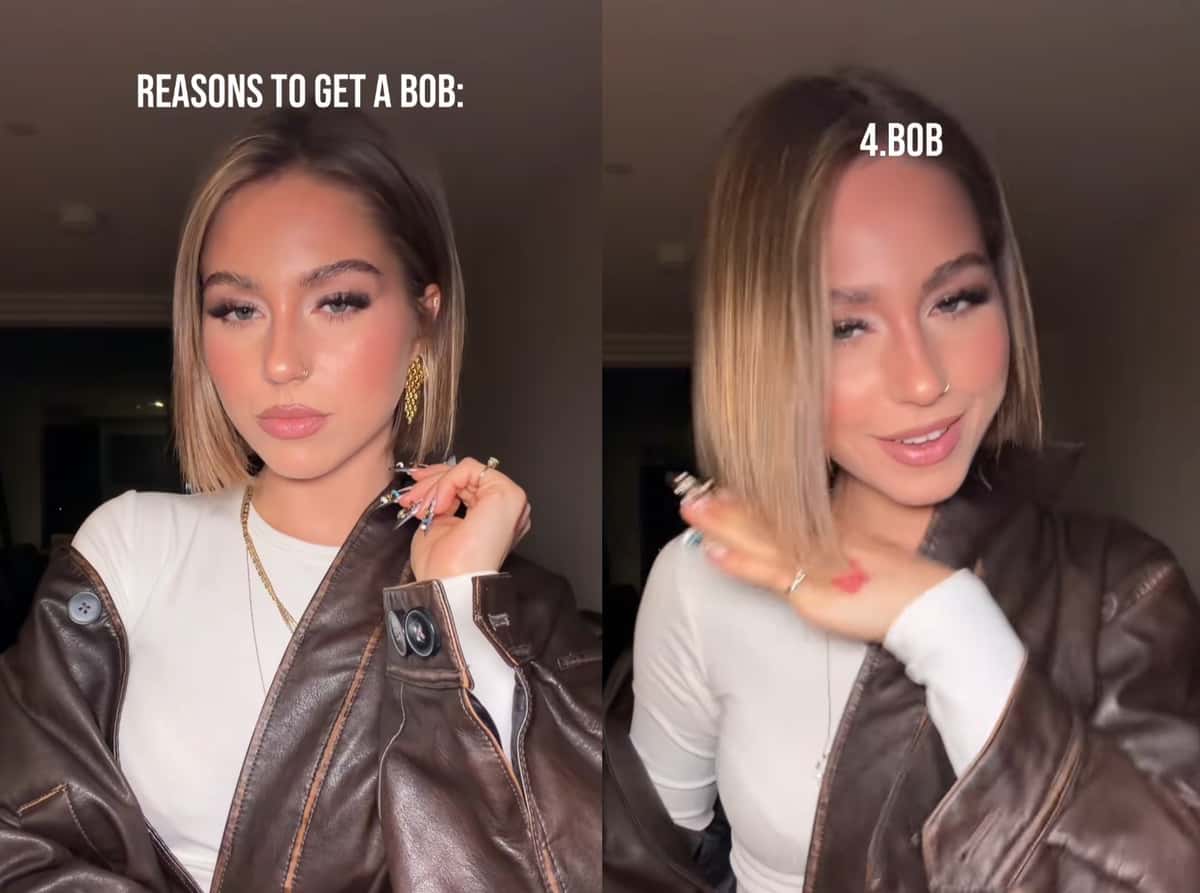
- 1. A moment when media presentation creates the feeling of a personal exchange, such as a viewer feeling that a creator is speaking directly to them.
- 2. A recurring one-sided sense of intimacy or familiarity with a public figure, fictional character, or online personality.
- 3. Online usage that criticizes someone for treating a public figure as a close friend or assuming knowledge of their private life.
- 4. A media-psychology term for audience engagement that resembles social interaction without the ordinary reciprocity of a personal relationship.
Examples
“I know it's a parasocial interaction, but that streamer got me through finals.”
“That podcast creates a parasocial interaction every time the host says your name.”
“Calling your favorite actor your best friend is peak parasocial interaction.”
“The fandom went from harmless fun to a full parasocial interaction.”
“A reply can feel personal without turning the parasocial interaction into friendship.”
Origin and spread
The term was introduced by American sociologists Donald Horton and R. Richard Wohl in their 1956 article about the audience's imagined intimacy with television and other media performers. Their original formulation focused on media figures who addressed audiences in ways that simulated face-to-face contact. The concept later extended to radio, books, sports, politics, podcasts, livestreams, social media, and virtual characters. In contemporary online speech, parasocial interaction is often used more loosely and critically for behavior that mistakes repeated mediated exposure for a mutual friendship. It is related to, but distinct from, parasocial relationship: interaction usually points to an episode or encounter, while relationship suggests a more lasting attachment.
How to use it
The term is neutral in media psychology but often teasing, skeptical, or accusatory in online conversation. Enjoying a creator's work, feeling comforted by a fictional character, or responding emotionally to a performer does not by itself imply unhealthy attachment. Use the phrase precisely when the connection is one-sided; a creator's brief reply or acknowledgment may feel reciprocal without making the relationship equivalent to ordinary friendship.