Pepe the Frog
/PEP-ay the frog/proper noun · meme
Pepe the Frog is a comic character used online as a flexible reaction image whose meaning depends on the drawing, caption, and context.
- #internet memes
- #reaction images
- #comic characters
- #online symbols
Meaning
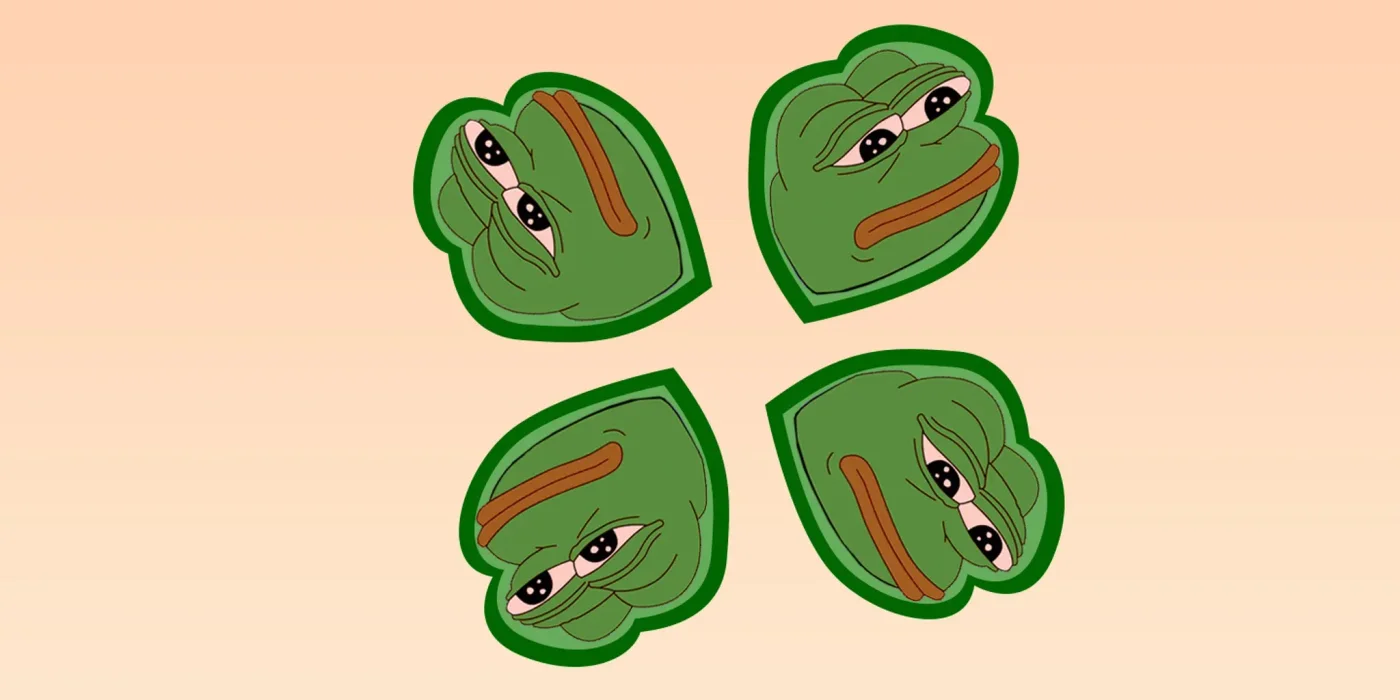
Pepe the Frog is a cartoon character from Matt Furie's Boy's Club comic that became an internet reaction meme. A Pepe image can convey a mood such as sadness, smugness, anger, or surprise, often with a caption such as “Feels Good, Man” or “Feels Bad, Man.” The character alone does not signal a single political or hateful meaning: read the specific image and surrounding post.[1][3][6]
- 1. A flexible reaction image: different Pepe drawings and captions express different moods or respond to different situations.
- 2. A context-dependent political symbol: some versions carry racist, antisemitic, or alt-right messages, while the character is also used in non-bigoted contexts.
Examples
“That Pepe the Frog reaction says everything about how pleased I am with this plan.”
“I sent a sad Pepe the Frog when the weekend ended.”
“That Pepe the Frog post is hard to read without the caption and the rest of the thread.”
Origin and spread
Matt Furie created Pepe for his Boy's Club comic, which Know Your Meme dates to 2005. Furie told VICE that the comic grew from a small Microsoft Paint zine called Playtime. In the comic, Pepe says “feels good, man”; online, users adapted the character and catchphrase into reaction images for different situations and emotions. Know Your Meme documents circulation on 4chan in 2008, while a Daily Dot retrospective describes an early 2006 rise, so the precise start of online meme use is unresolved. Later, some versions were used in racist and alt-right imagery; the ADL stresses that the image's meaning must be judged in context. Pepe has also appeared in contexts beyond that politics, including the 2019 Hong Kong protests.[2][4][5]
How to use it
Treat the face, caption, and surrounding post as the main clues to a particular Pepe image's meaning. The character is not inherently a hateful or political signal, but specific versions or accompanying language can be. “Sad Pepe” and “Feels Bad, Man” describe a mood-specific variant, not the character's whole meaning.
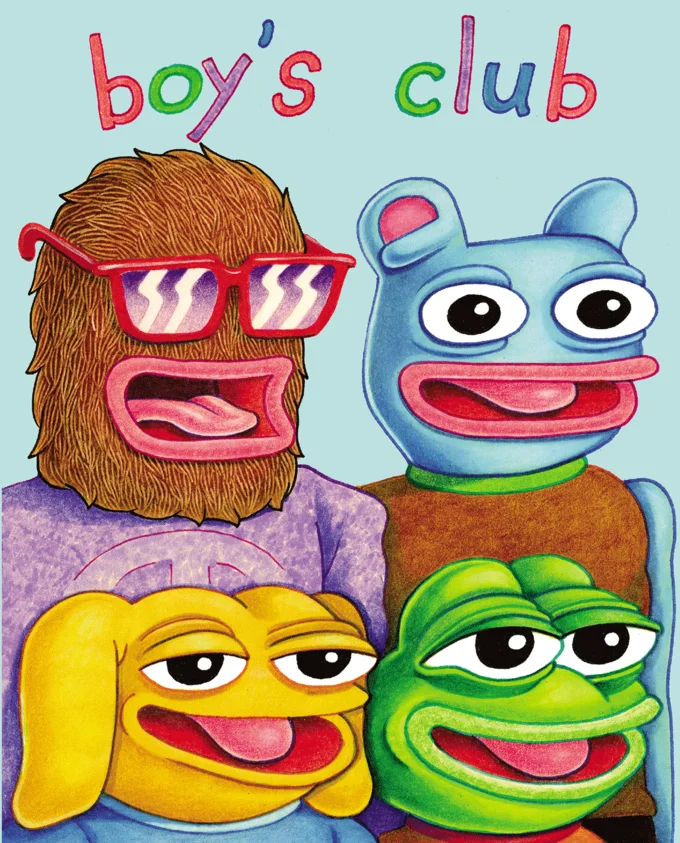
The image does not decide the politics by itself
The ADL says a Pepe post alone does not establish that its poster is racist or white supremacist; the image and its surrounding language or symbols matter. Some versions do carry hateful messages, so context is essential.[6]
A crying Pepe as a tiredness reaction
Katy Perry's 2014 post paired a crying Pepe with “Australian jet lag got me like.” It is a concrete example of the character used as a personal mood reaction, not evidence that all Pepe posts share that meaning.[1][3]
Questions people ask
Does a Pepe image always mean “Feels Good, Man”?
No. That catchphrase comes from Pepe's comic appearance, but users adapted the character for other emotions and situations. A sad or angry version can communicate a very different reaction.[1][2]
How can I tell whether a Pepe post is hateful?
Look at the specific image, caption, and surrounding language or symbols. The character alone is not enough to establish hateful intent, though some versions are explicitly racist or antisemitic.[6]
Sources
- 1. Know Your Meme — Pepe the FrogSupports: meaning.
- 2. Wikipedia — Pepe the FrogSupports: origin, earliest documented use.
- 3. X — Katy Perry postSupports: meaning.
- 4. The Daily Dot — The story behind 4chan's Pepe the Frog memeSupports: origin.
- 5. VICE — Pepe the Frog's Creator Talks Making Zine HistorySupports: origin.
- 6. ADL — Pepe the FrogSupports: meaning.