Sleep on (someone)
/sleep on/verb
To sleep on someone is to overlook or underestimate them instead of recognizing their value.
- #internet slang
- #phrasal verbs
- #everyday expressions
Meaning
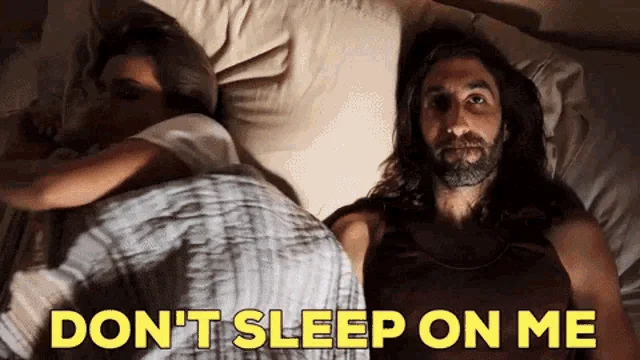
In current slang, to sleep on someone is to overlook, undervalue, or underestimate them. “Don’t sleep on me” is a self-assertive warning not to underestimate the speaker; “people are sleeping on that singer” means the singer deserves more recognition. The expression is ordinary conversational slang, not a particular named meme.[2][4]
- 1. To fail to recognize someone’s ability or worth: They slept on her as a player, but she proved them wrong.
- 2. By extension, to overlook or undervalue something, such as a song, film, or opportunity: Don’t sleep on the opening act.
Examples
“Don’t sleep on me—I’ve practiced this routine all week.”
“Never sleep on her; she reads the game brilliantly.”
“People sleep on him because he is quiet, then regret it.”
Origin and spread
“Sleep on” is an ordinary phrasal verb used figuratively: the image of sleeping suggests missing or failing to notice something. The readable explainers document the current slang sense and give intuitive explanations, but do not establish where or when it formed. One reference also records the separate idiom “sleep on it,” meaning to postpone a decision overnight; that similarity does not establish a historical connection between the expressions.[1]
How to use it
The phrase can sound encouraging, boastful, teasing, or critical depending on context. “Don’t sleep on me” often reads as a competitive challenge; it is not inherently sexual. “Sleep on it” usually means to delay a decision and think it over overnight.
Don’t mix it up with “sleep on it”
With a person or thing as its object, the slang expression means to overlook or underestimate it. “Sleep on it” commonly means to wait overnight before deciding. The wording is similar, but the meanings differ.[3]
Not a named meme
The available references treat “sleep on” as a conversational expression and explain its usage; they do not establish a specific named meme or a dated coinage.[1][2]