tryna
/TRY-nuh/verb
Meaning
An informal, phonetic spelling of “trying to,” used before a verb in casual speech, texting, captions, lyrics, and online posts. Depending on context, tryna may describe an actual attempt, a desire or intention, or a likely outcome.
- 1. Attempting to do something: They’re tryna fix the bike before dark.
- 2. Wanting, intending, or being interested in doing something: You tryna get food?
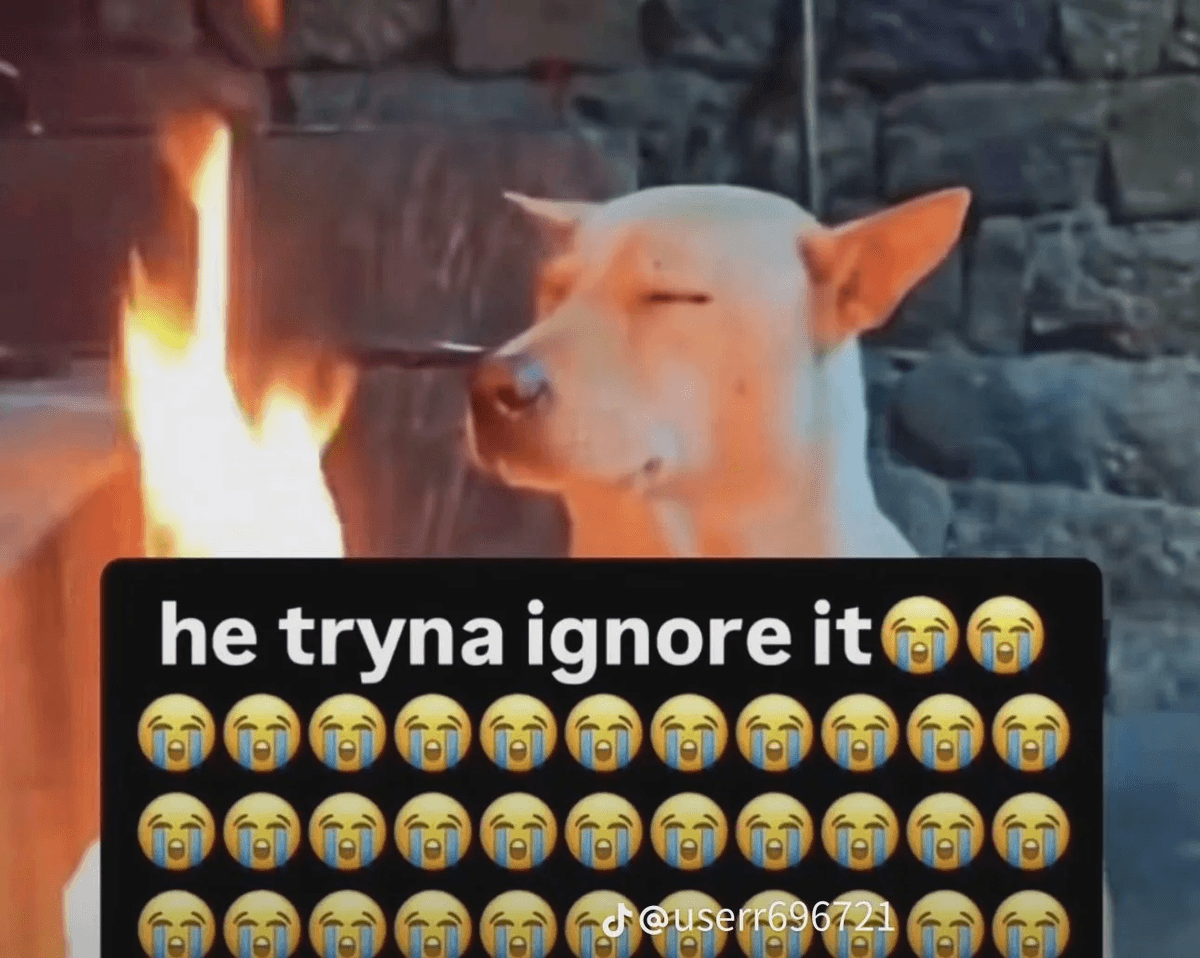
- 3. Indicating a likely or apparently purposeful outcome, often with a personified subject: My phone is tryna die before I get home.
Examples
“I’m tryna finish this before midnight.”
“You tryna grab coffee?”
“Not tryna argue, just asking.”
“The cat is tryna steal my seat again.”
“We’re tryna make it to the beach by sunset.”
Origin and spread
Tryna developed as a phonetic contraction of “trying to,” with the sounds of the two words reduced in rapid, casual speech. Linguistic descriptions distinguish an older or more literal attempt sense from a desire or intention sense associated especially with African American English. The form is also used by younger speakers across ethnic lines in speech, texting, and social media. Merriam-Webster gives 1919 as its earliest known use, while a 2012 Stanford study found tryna in archived emails and chat logs from 2010 onward. These records establish documented circulation, not a single proven point of invention or popularization.
How to use it
Tryna is casual and conversational, so it fits texts, captions, comments, lyrics, and dialogue but usually not formal school, workplace, or legal writing. Context matters: “I’m tryna open the door” usually means “I’m attempting to open it,” while “I’m tryna go home” may mean “I want or intend to go home.” The desire sense is especially common in questions and negative statements, as in “You tryna eat?” or “I’m not tryna pay that much.” Although widely recognized online, the form has roots in African American English and should not be treated as a generic marker of a particular race or persona.