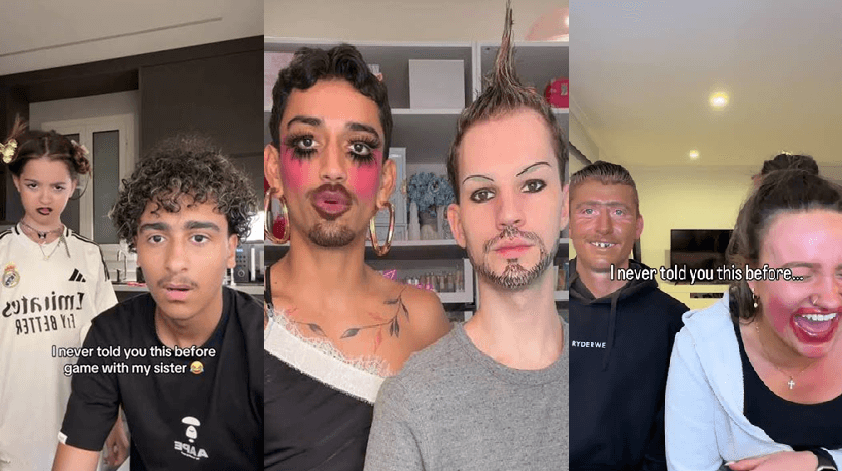
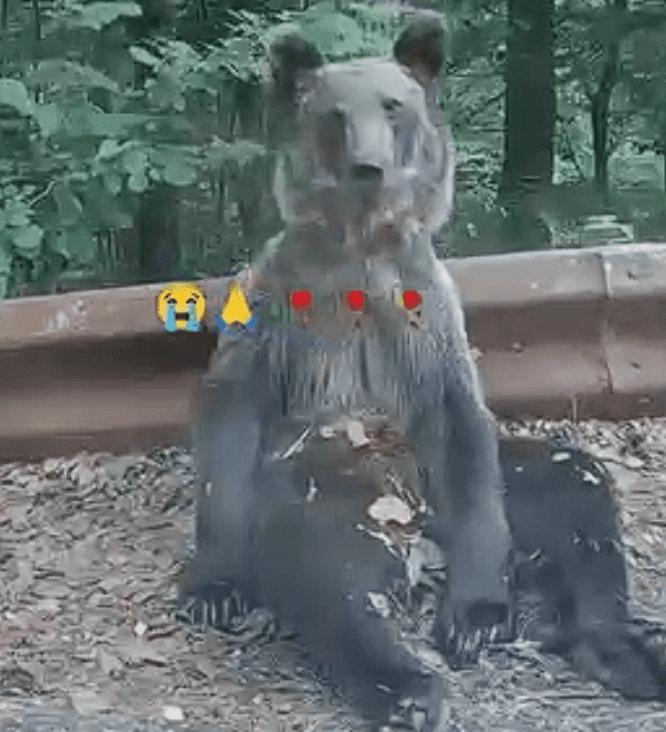
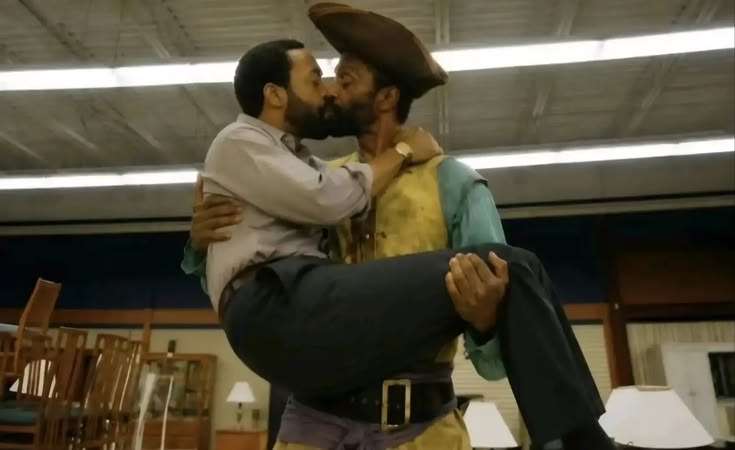
exploitable
/ik-SPLOY-tuh-bul/noun · adjective
Meaning
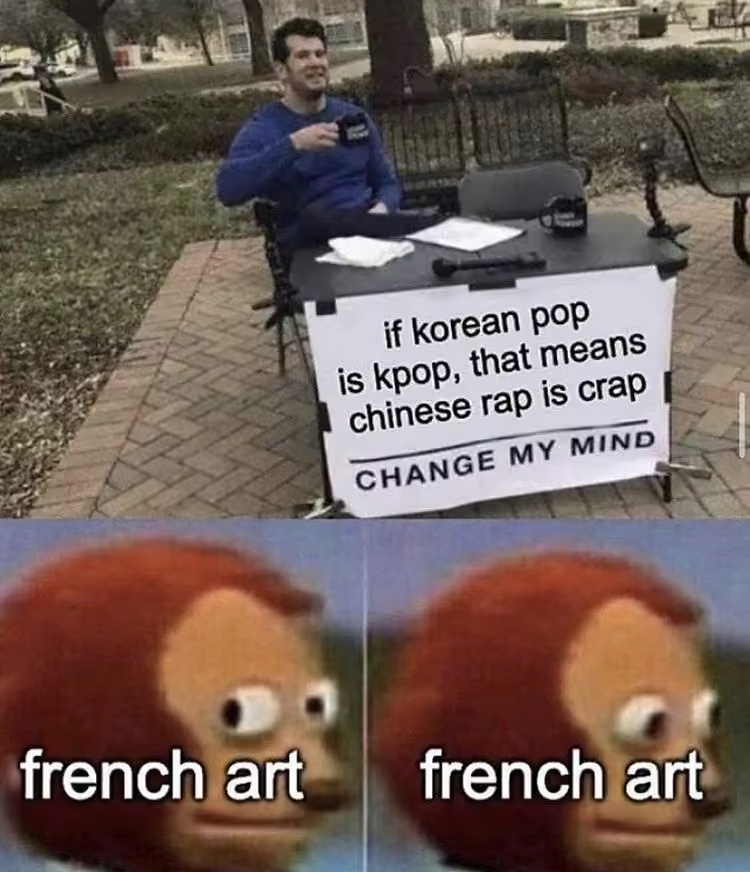
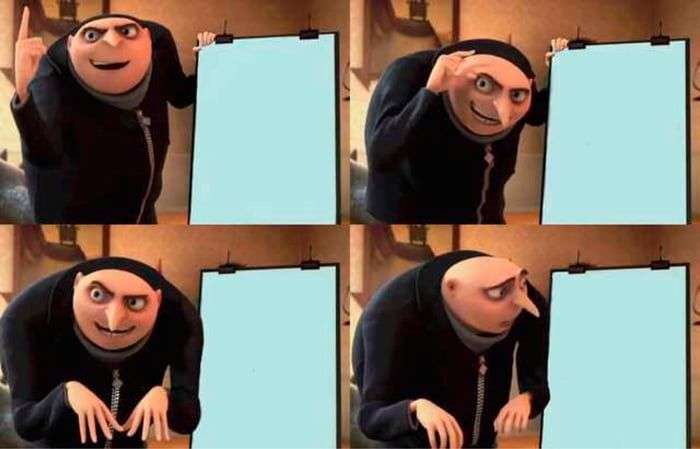
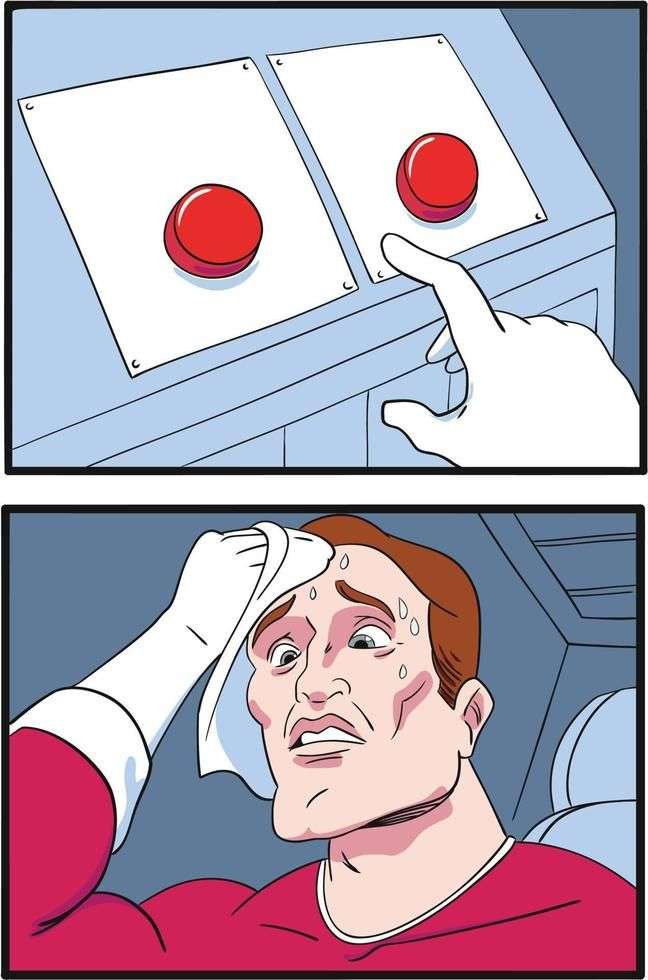
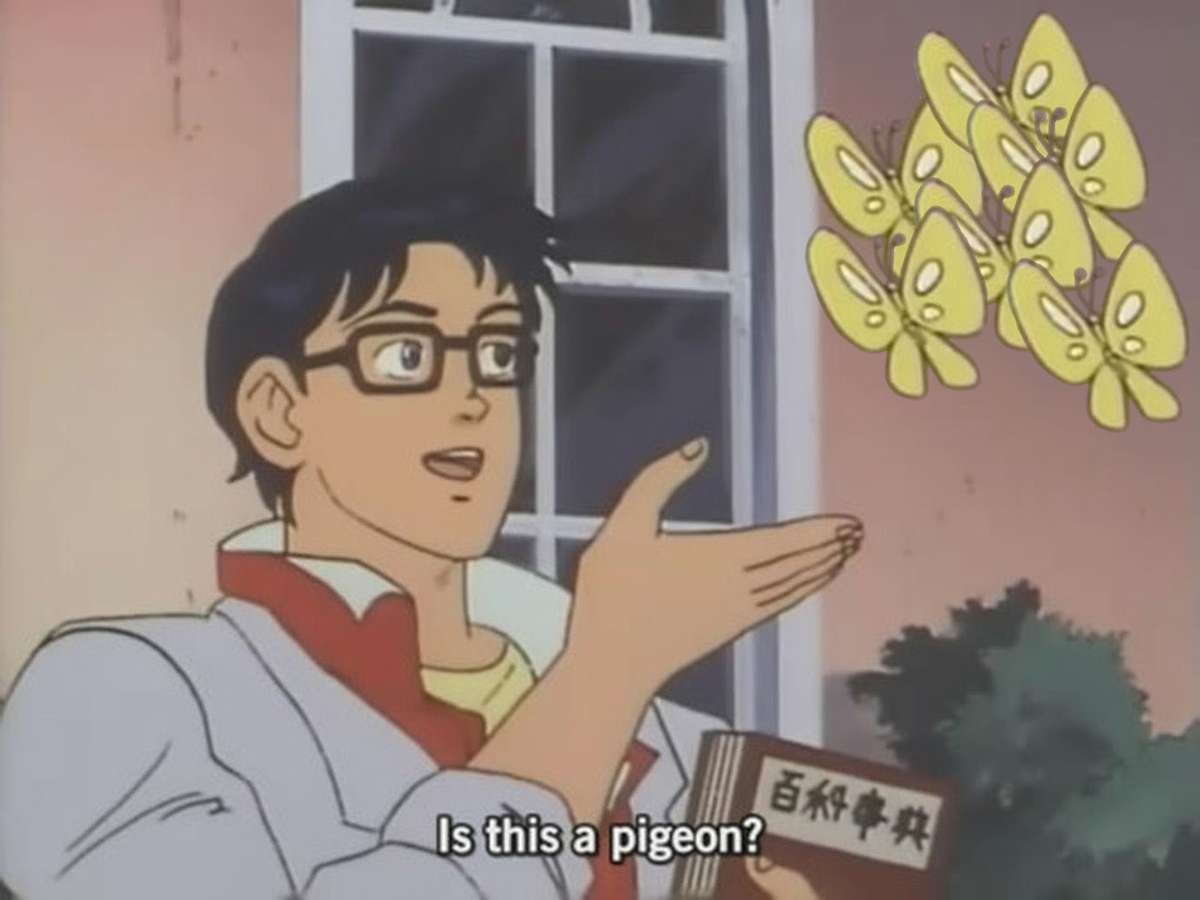
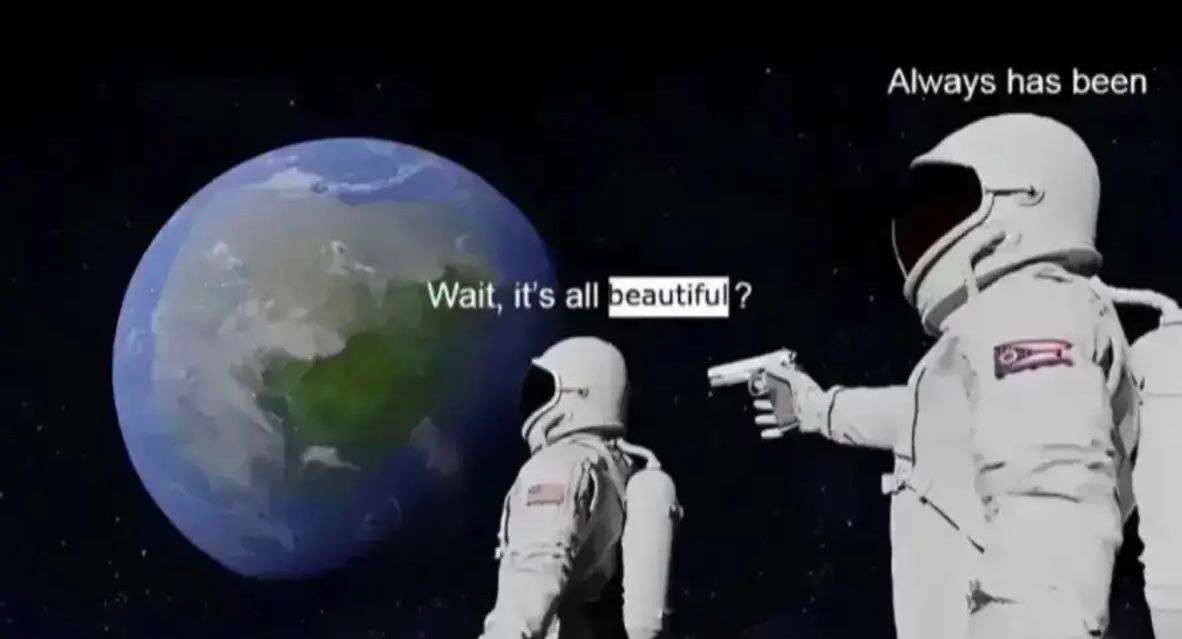
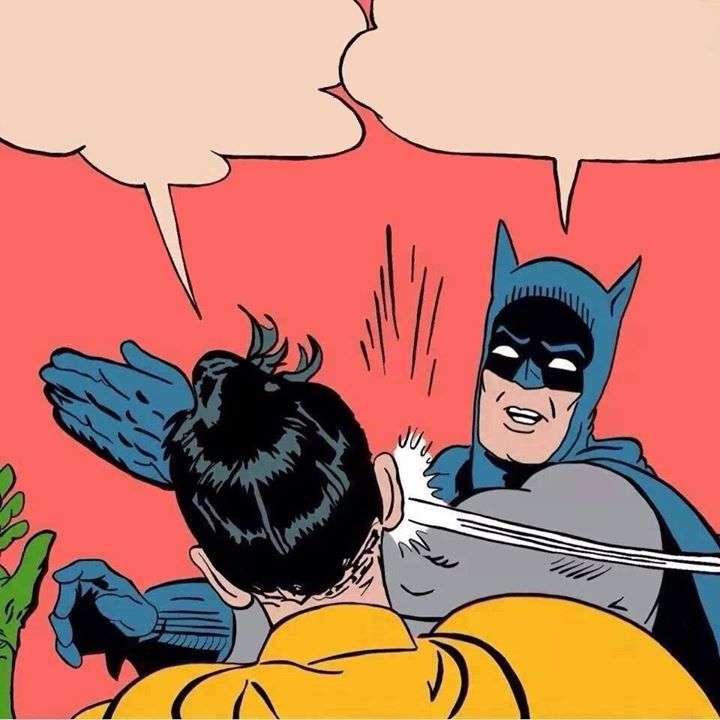
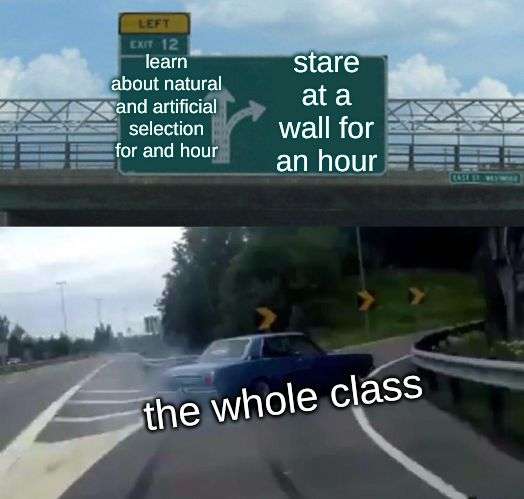
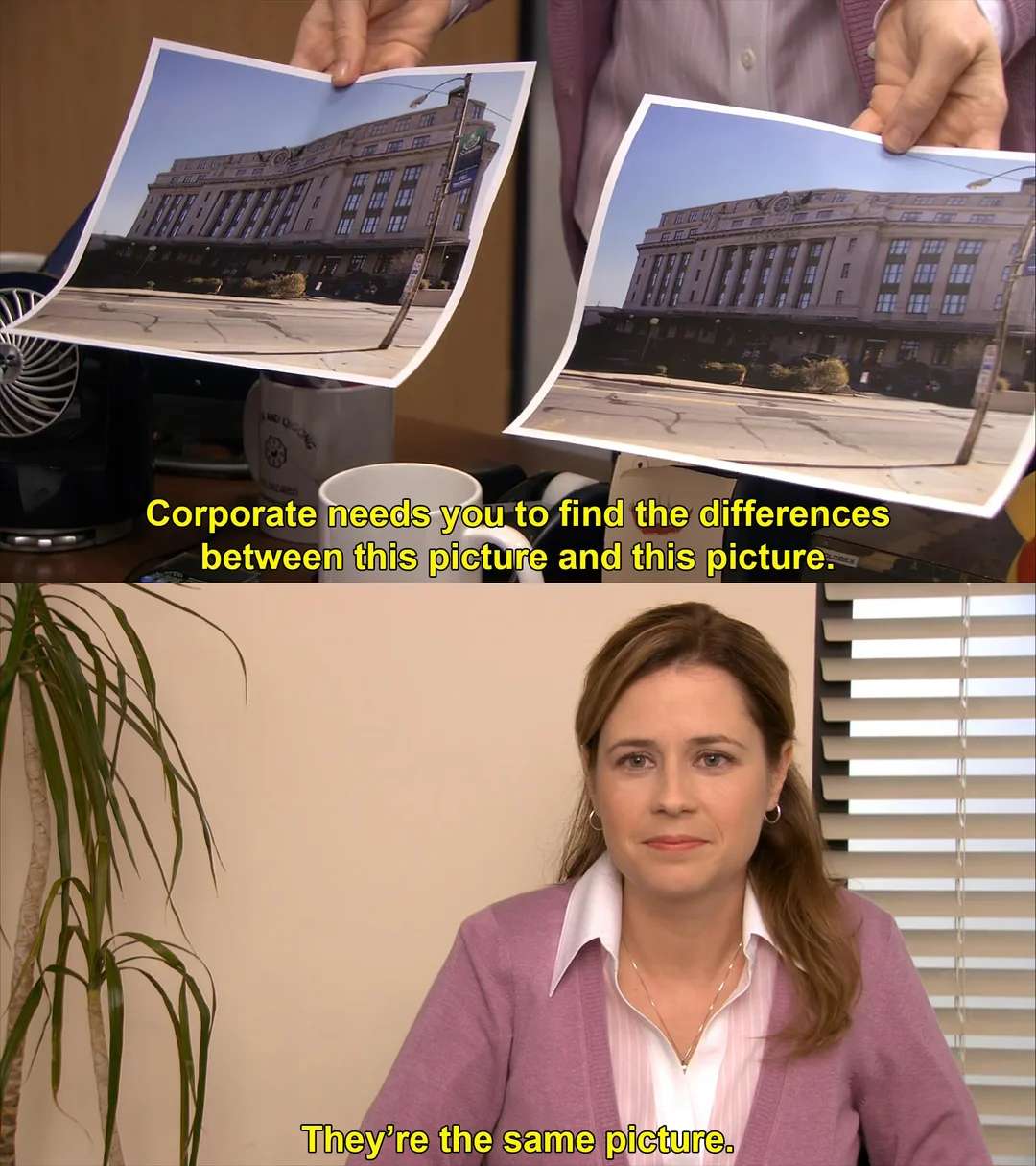
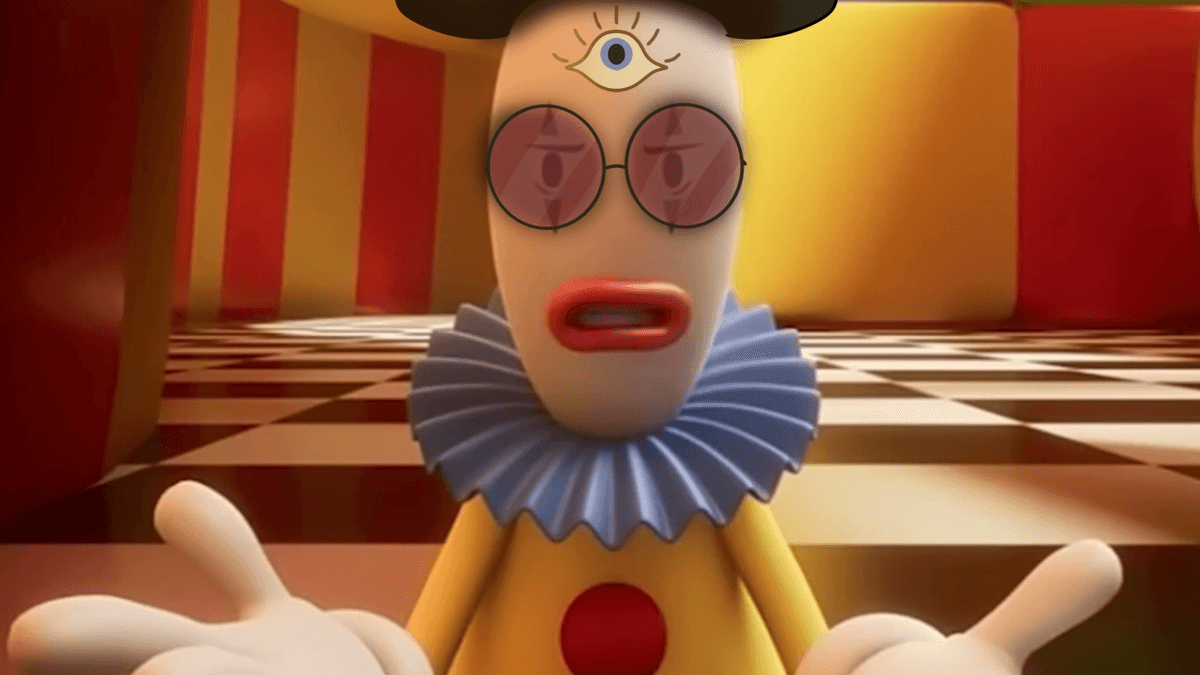
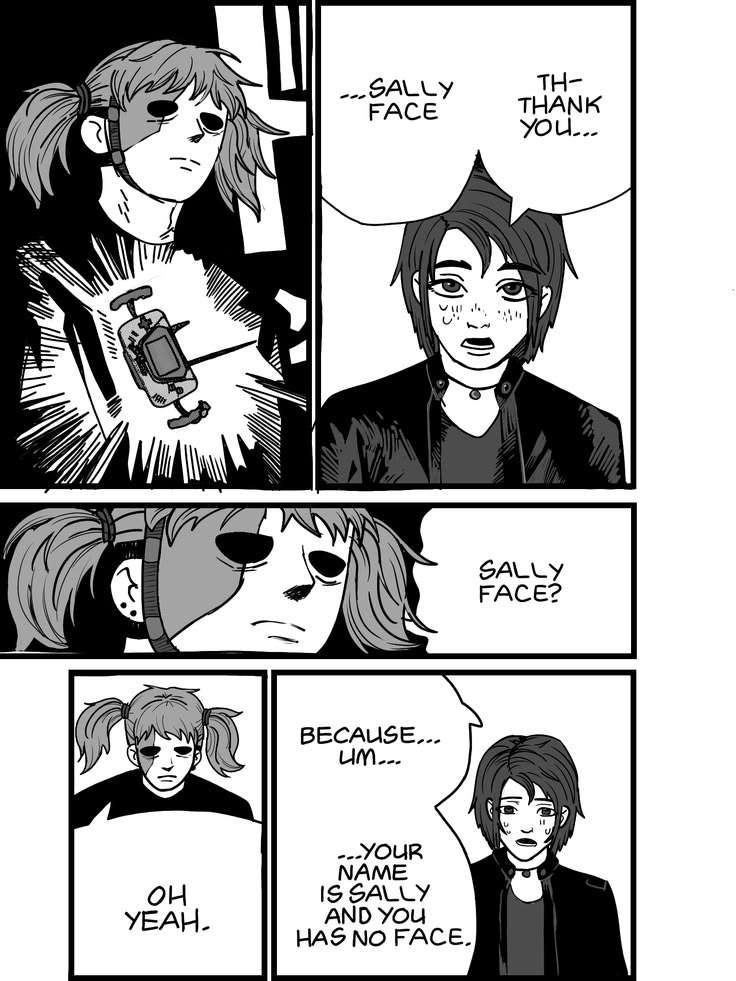
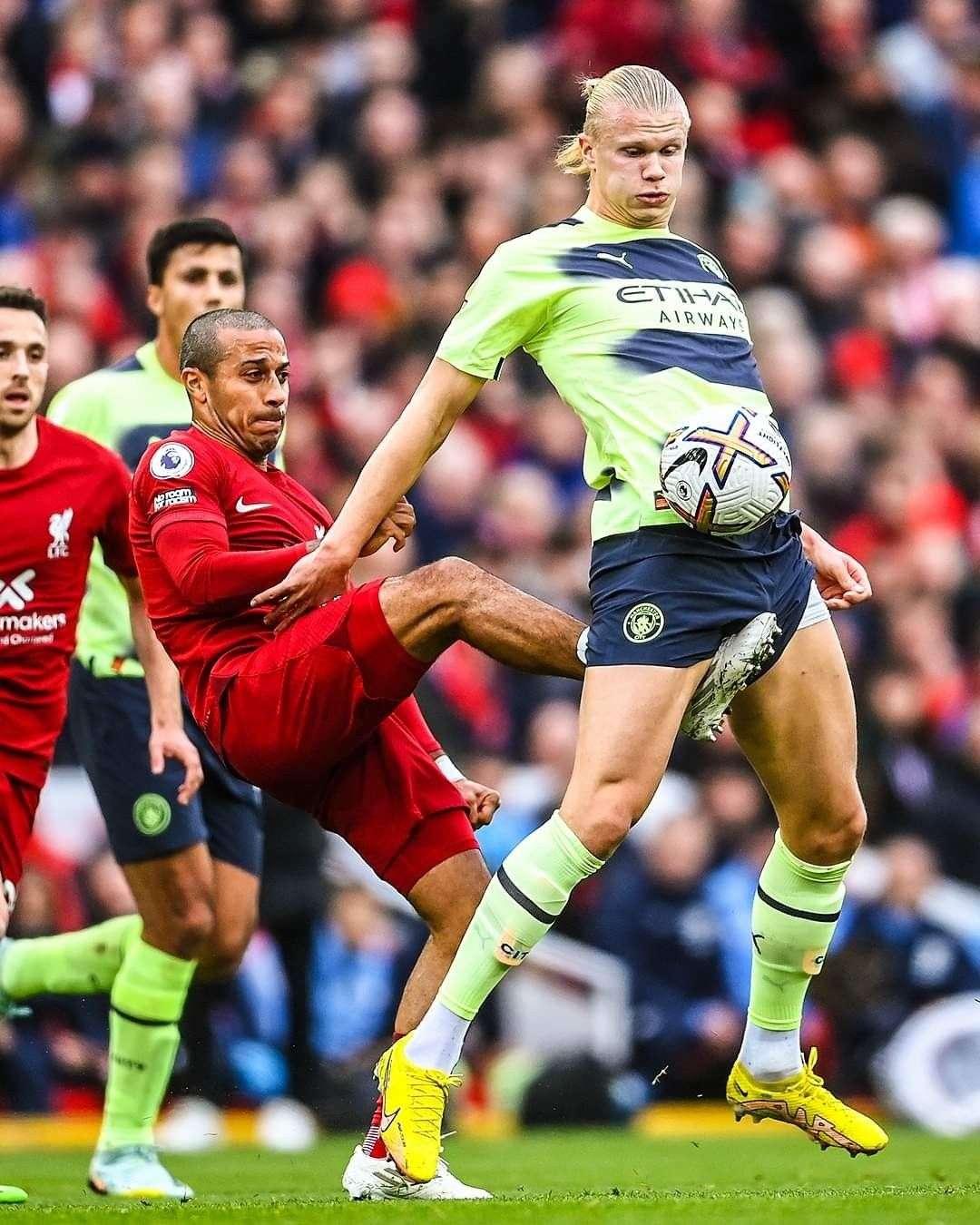
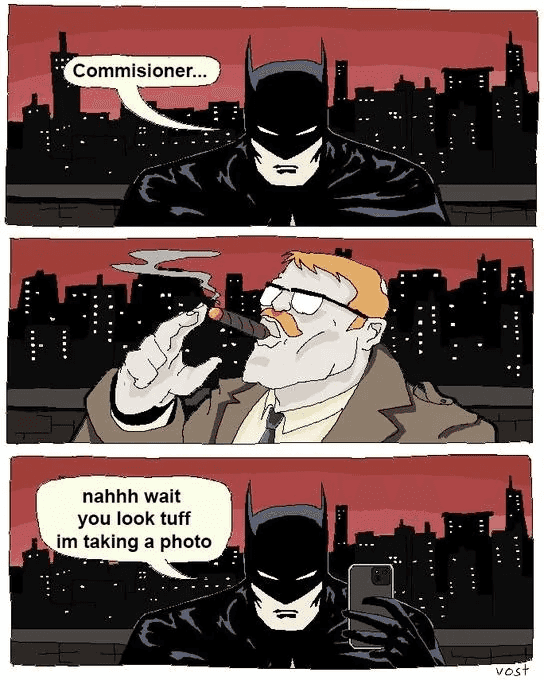
As a noun, an exploitable is a meme image, comic, or sequence of frames designed to be modified by other users. Editors may replace dialogue, add labels, redraw blank areas, insert characters, or rearrange visual elements while preserving the recognizable setup. As an adjective, exploitable describes a meme format that invites this kind of reuse.[1][2]
- 1. A meme template with blank, replaceable, or adjustable parts that users can customize.
- 2. An edited image or comic whose humor comes from changing its words, labels, characters, or objects.
- 3. A reusable visual format in which the original image supplies the structure and the added material supplies a new joke.
Examples
“This comic is incredibly exploitable—the last panel is basically an open caption box.”
“The blank sign makes this an exploitable template.”
“Someone turned the distracted boyfriend photo into an exploitable about unread emails.”
“That exploitable works for literally any argument with two bad options.”
“Post the exploitable and let the group-chat edits begin.”
Origin and spread
The meme term extends the ordinary adjective exploitable, meaning capable of being used or taken advantage of, into a noun-like label for a remixable image format. The available record places exploitable memes around 2006, while object-labeling versions became especially prominent around 2017. The format is broader than a standard image macro: its editable structure is part of the joke, whether the source is a comic, movie still, photograph, or multi-panel sequence. The exact first use of the noun-like label is uncertain, so 2006 is best treated as an early documented point for the modern format rather than a proven coinage date.[1]
How to use it
In meme-making communities, exploitable usually refers to an image designed for modification, not to a security weakness or other vulnerability. It commonly appears in phrases such as exploitable template, exploitable comic, and exploitable meme. Outside meme contexts, readers are more likely to understand the word in its ordinary adjective sense.